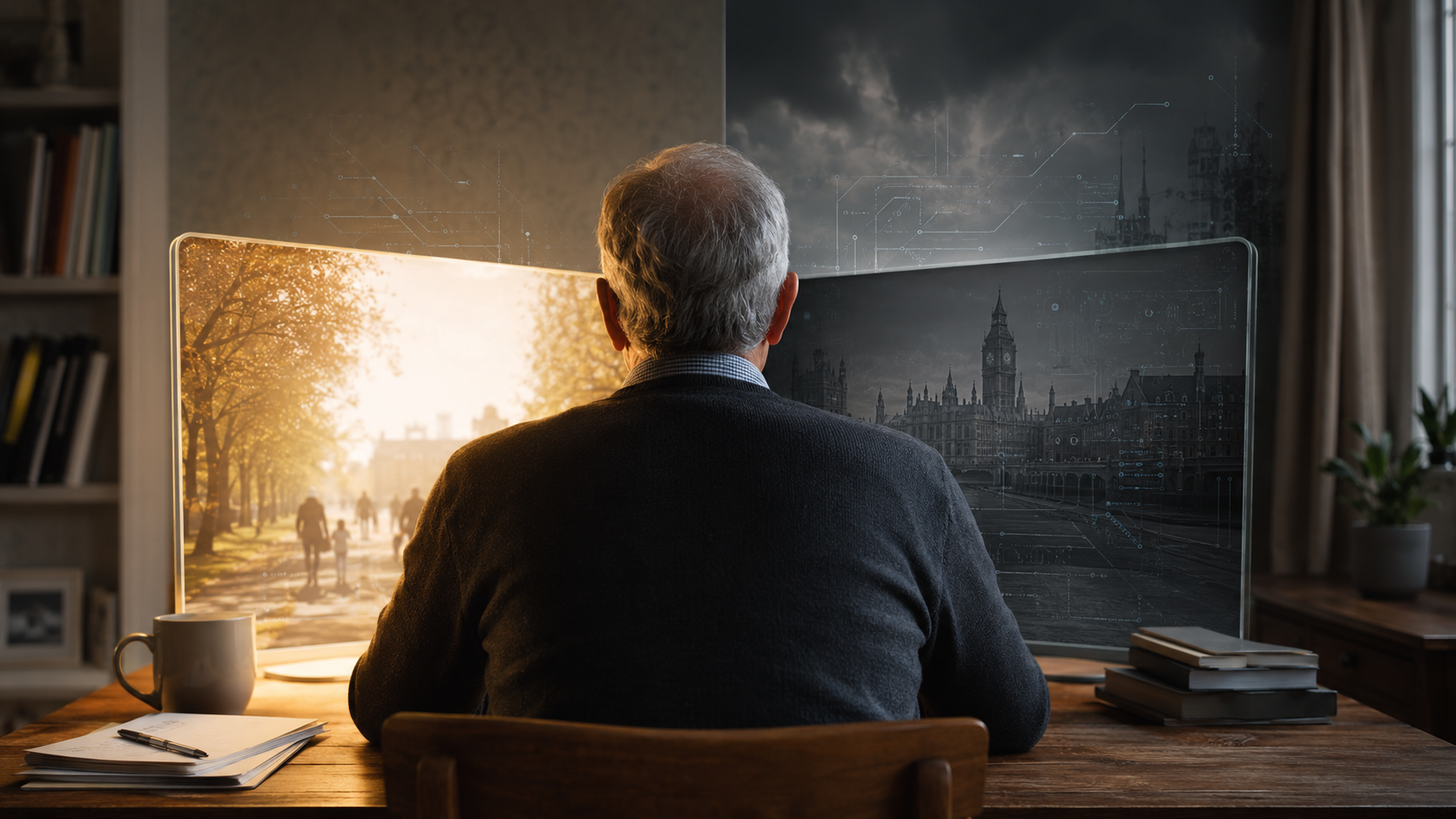
We are all beginning to see the wonders of artificial intelligence.
It can answer questions, create pictures, translate languages and help people write letters or understand complicated information. Doctors are using it to help detect illness, scientists are using it in research, and businesses believe it can remove hours of repetitive work.
I use AI myself.
I use it to research subjects, develop my writing and check whether something I have seen online is true. Used properly, it can be an extremely valuable tool.
But whenever a powerful new technology arrives, we shouldn't look only at what it can do for us. We must also ask what it could do to us if it is poorly controlled, deliberately misused or trusted too much.
That does not mean panicking about armies of robots taking over the world. The most likely problems are much more ordinary—and that is precisely why they could affect so many people.
When the computer becomes the authority
Imagine a doctor using AI to examine somebody's test results. The system misses an early sign of serious illness, but because its answer appears confident, nobody questions it. The patient is sent home and vital treatment is delayed.
Imagine an automated benefits system wrongly deciding that somebody has committed fraud. Their payments are stopped immediately, but it takes months to find a human being who can reconsider the decision. While they wait, they cannot pay their rent or buy food.
A bank could use AI to identify suspicious transactions. It freezes an innocent customer's account just before the mortgage or electricity bill is due. The call-centre worker cannot override the computer, and nobody can properly explain why the decision was made.
An employer might allow AI to decide which applicants receive an interview. If the system learned from previous recruitment decisions, it could quietly repeat old prejudices. Someone might be rejected because of their age, disability, address or employment history without ever knowing why.
Police forces are increasingly interested in facial-recognition technology. But if an innocent person is incorrectly matched to an image, they could be questioned or treated as a suspect because a computer produced the wrong name.
These are not examples of AI becoming evil. They are examples of imperfect technology being given too much authority.
Can we still tell what is real?
There is also the growing problem of determining what is real.
We have all seen those Facebook psychology posts telling us that people who enjoy their own company have seven special qualities, or that only highly intelligent people can solve a simple puzzle.
People respond by saying, “That describes me perfectly.”
Many of these posts use broad and flattering statements that could apply to almost anybody. They are designed to make us react and share.
Artificial intelligence can take this much further.
Instead of producing one message for everybody, AI could create a different version for every individual. It could learn which subjects interest us, what worries us and what makes us angry.
I might receive a political message framed around retirement, food security or the future of Britain. A younger person could receive the same argument framed around rent, employment or student debt.
That is personalised persuasion. Used dishonestly, it becomes personalised propaganda.
AI can produce convincing articles, photographs, voices and videos. It could invent an expert, a university study and a set of statistics, then create several websites apparently confirming the same false claim.
People might think, “It must be true because several sources are reporting it,” when every version came from the same artificial intelligence.
Criminals can also use AI to copy somebody's voice.
A parent or grandparent could receive a telephone call that sounds exactly like a family member. The caller says they have been injured, arrested or stranded and urgently need money.
The emotion of hearing that familiar voice could cause somebody to act before checking whether the story is genuine.
News organisations face a similar problem.
Proper journalism requires time, investigation and accountability. AI-generated material can be produced almost instantly and at very little cost.
We could eventually reach a point where two neighbours search for information about the same event and are shown two entirely different versions of reality.
The danger of dependence
But perhaps the greatest danger is dependence.
Governments want AI introduced throughout businesses and public services because they believe it can save money, increase productivity and compensate for staff shortages.
Some of those benefits are genuine. The question is whether proper safeguards are keeping pace.
Suppose hospitals, banks, energy companies and government departments become dependent upon automated systems.
What happens if those systems fail, are attacked or begin making decisions their operators cannot understand?
Can the organisation return to manual working?
Are the experienced people still employed?
Does anybody remember how the old system operated?
Or have we removed the people, abandoned the paperwork and discovered too late that we cannot function without the technology?
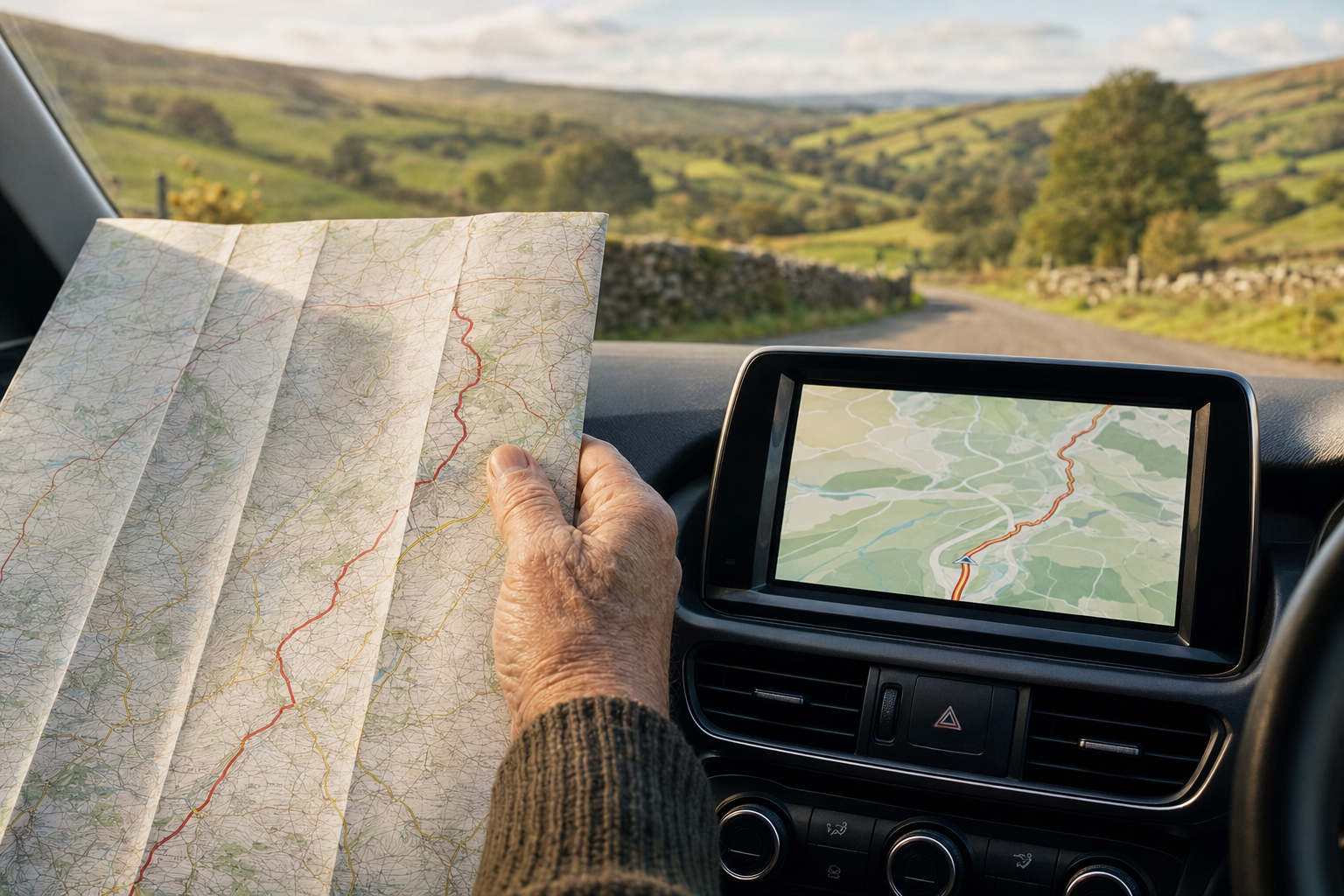
I use a satnav when travelling, but I also keep a road map of Britain in my vehicle.
The satnav is convenient and usually gets me where I need to go. But if it loses its signal, stops working or sends me in the wrong direction, I still have another method—and I know how to use it.
That is the balance we should maintain with AI.
Use the new technology, but preserve the knowledge and systems that allow us to carry on without it.
Human judgement must remain
AI should be able to suggest and assist, but when somebody's health, income, employment, freedom or safety is at stake, it must never become the unchallengeable final authority.
There must be independent testing, regular inspections and a clear record of how important decisions were reached.
People must have a genuine right to speak to another human being and challenge an automated decision.
In hospitals, banks and essential public services, trained people must retain both the knowledge and authority to override the system.
The greater the potential harm, the stronger the human check must be.
I will continue using AI because I can see its enormous value. I am not frightened of technology, and I do not believe we can turn back the clock.
But progress does not mean accepting everything without question.
AI should assist human judgement, not replace it. It should strengthen our abilities, not make us helpless without it.
We are all seeing the wonders of AI.
Now, before it becomes embedded in every part of our lives, we also need an honest conversation about its limits, its dangers and who will be held responsible when it gets something seriously wrong.
The biggest danger may not be that AI suddenly takes control from us. It may be that we hand over control voluntarily—one convenient decision at a time—and only realise what we have lost when it is too late.