August is a rewarding time on the allotment. After months of preparing beds, sowing seeds, protecting young plants and wondering what the weather might do next, I can now see—and taste—the results.
Not everything becomes ready at once. Some crops are being harvested, others need a little longer, and several are already preparing themselves for next year. That gradual change is part of what makes an allotment so interesting. There is always something finishing, something flourishing and something waiting for attention.
A greenhouse full of life
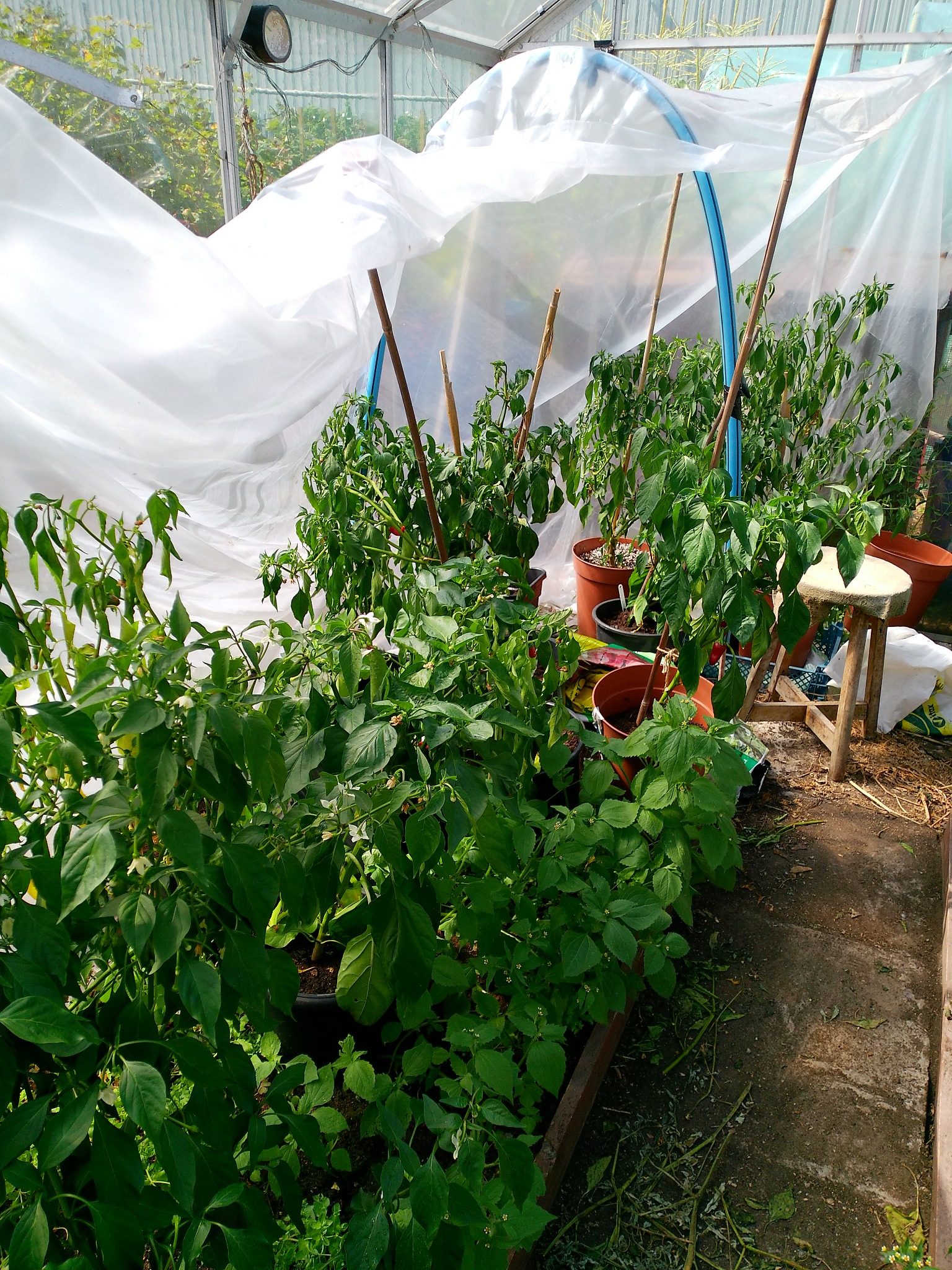
The greenhouse is crowded, slightly untidy and full of growth—which is just how a productive greenhouse often looks at this point in the season.
My chilli plants have filled much of the available space. They have grown into substantial plants, and several chillies have now changed from green to a rich red. Seeing those bright fruits among all the green leaves is tremendously satisfying.
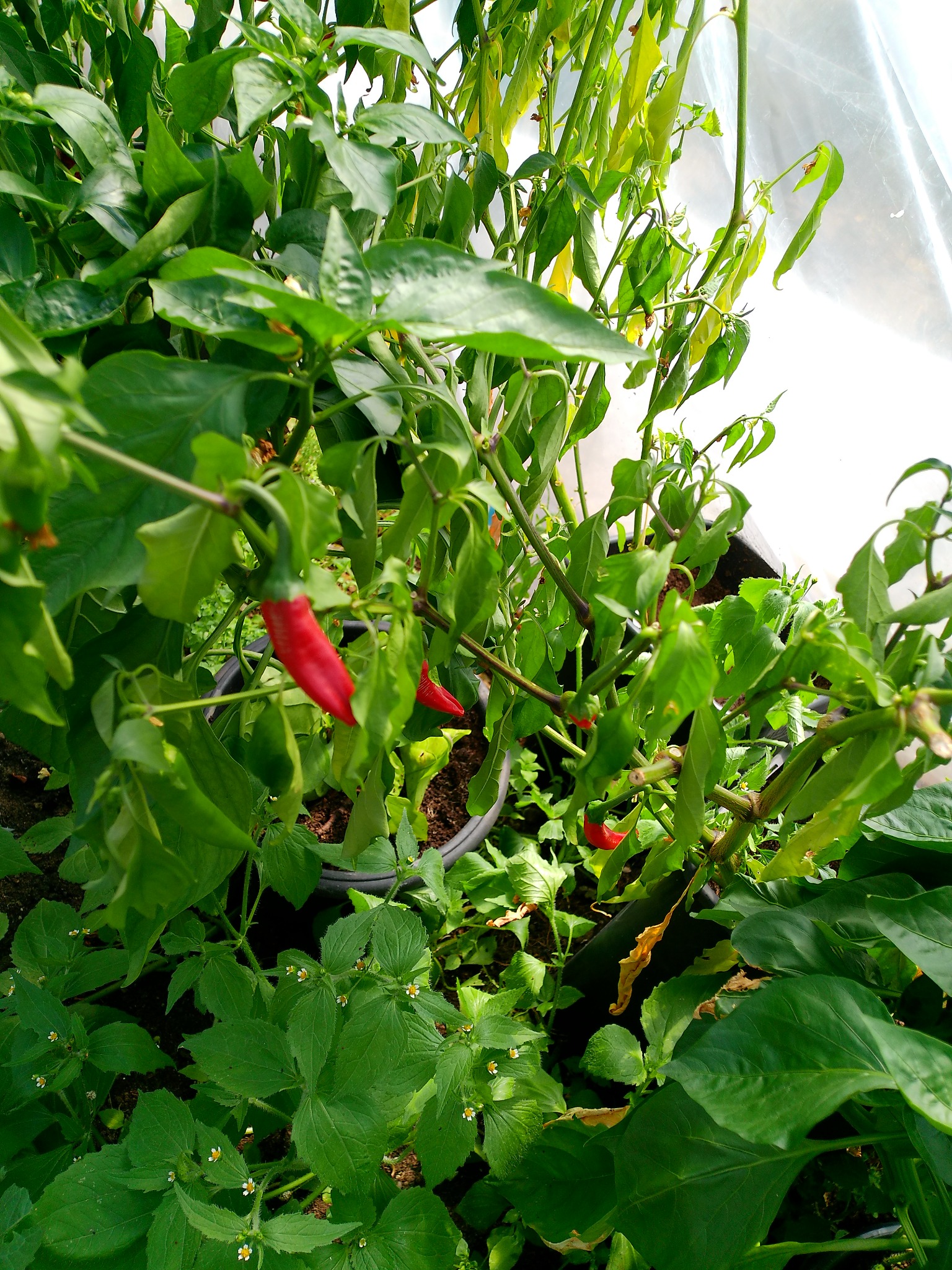
They have needed warmth, regular watering, support and patience, but the plants are now repaying that work. Some chillies can be used fresh, while others may be preserved or dried for later in the year.
The final tomatoes
The tomatoes are at different stages. A few plants are approaching the end of their productive lives, with their leaves beginning to dry while the last clusters of red fruit remain to be picked.
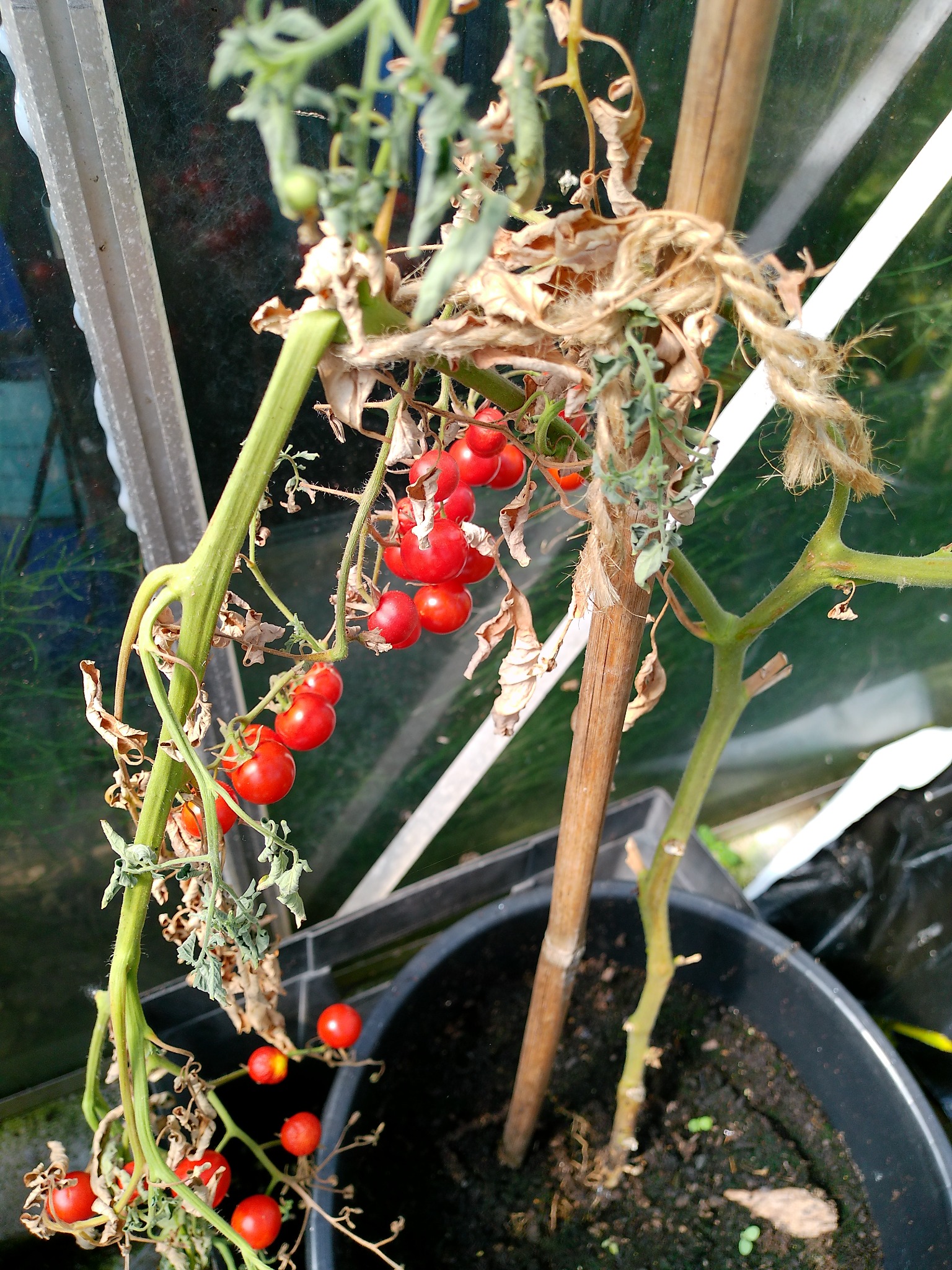
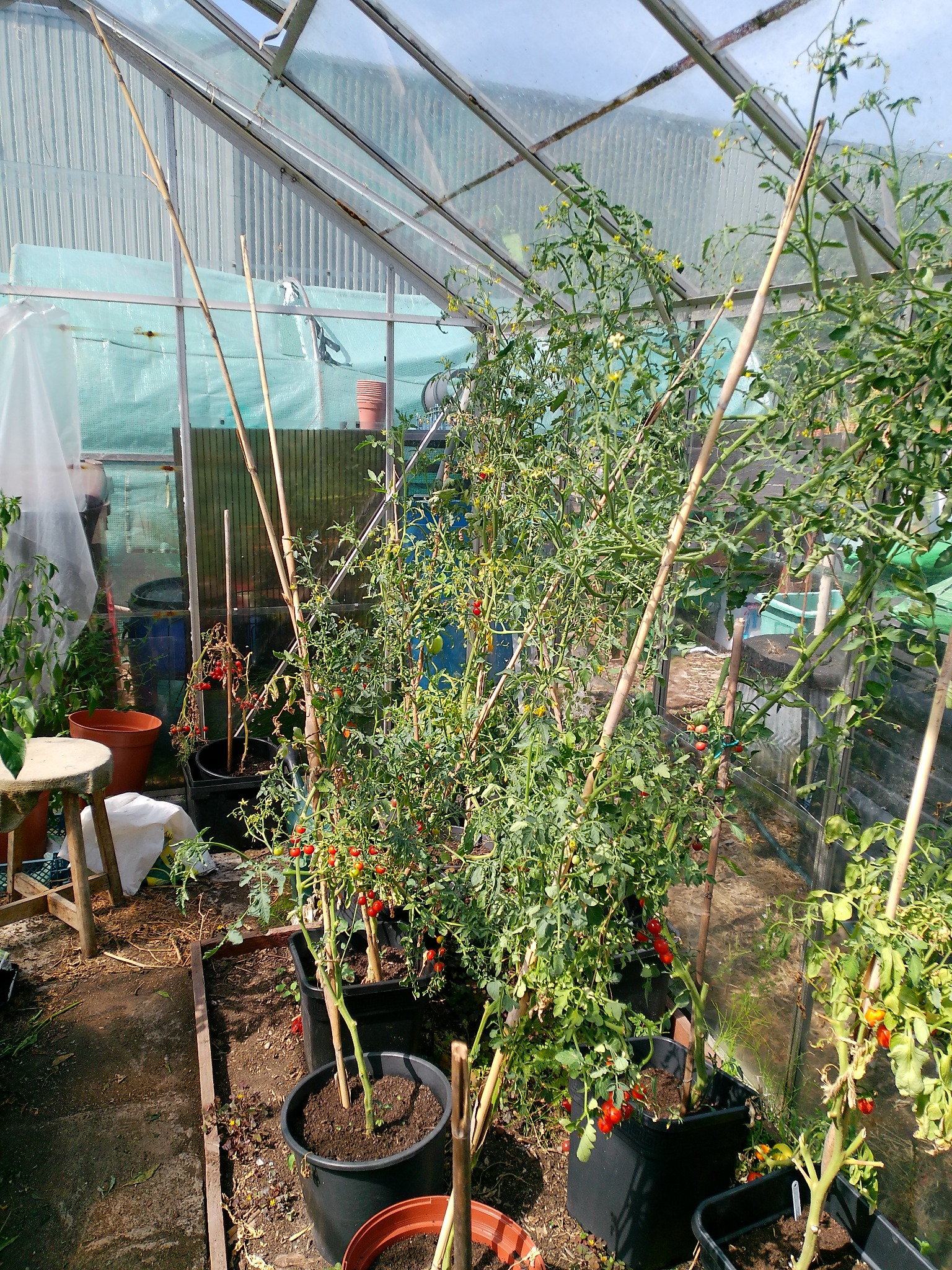
Other plants are still carrying a mixture of ripe red tomatoes and green ones that need more time. Some careful trimming will help the remaining fruit receive more light and allow air to circulate around the plants.
A plant does not need to look perfect to provide a worthwhile final harvest.
Onions: some ready, some still growing
Several onions were ready to lift and take home. Their dry outer skins and fading tops showed that they had completed their growing period. Others are still in the ground and will remain there a little longer.
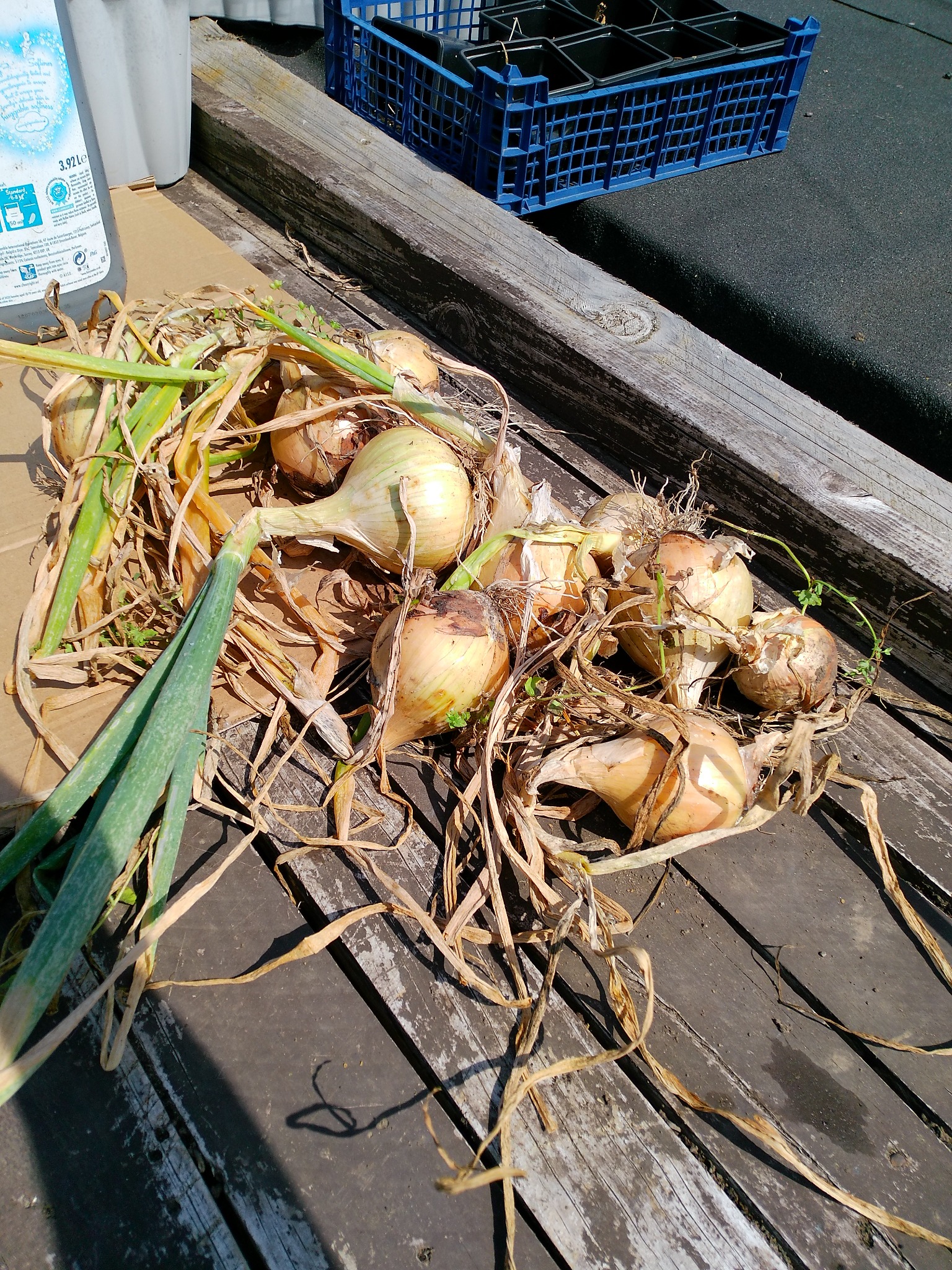
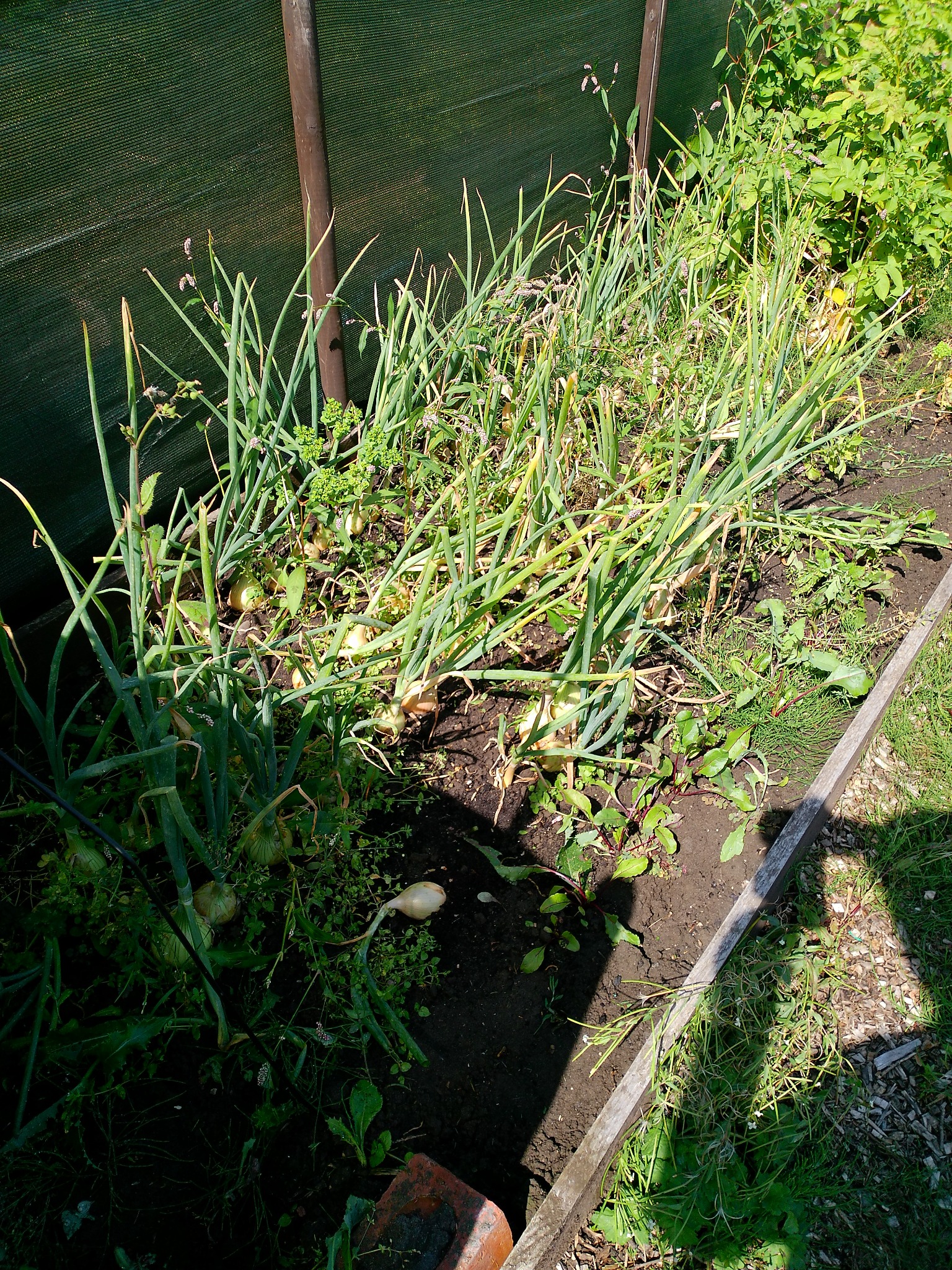
An allotment teaches patience: harvesting according to a fixed date is rarely as successful as watching the individual plants and responding when they are actually ready.
I have recently seen onions of a similar size being sold at three for £1. That makes growing my own feel particularly worthwhile.
Beetroot and sweetcorn
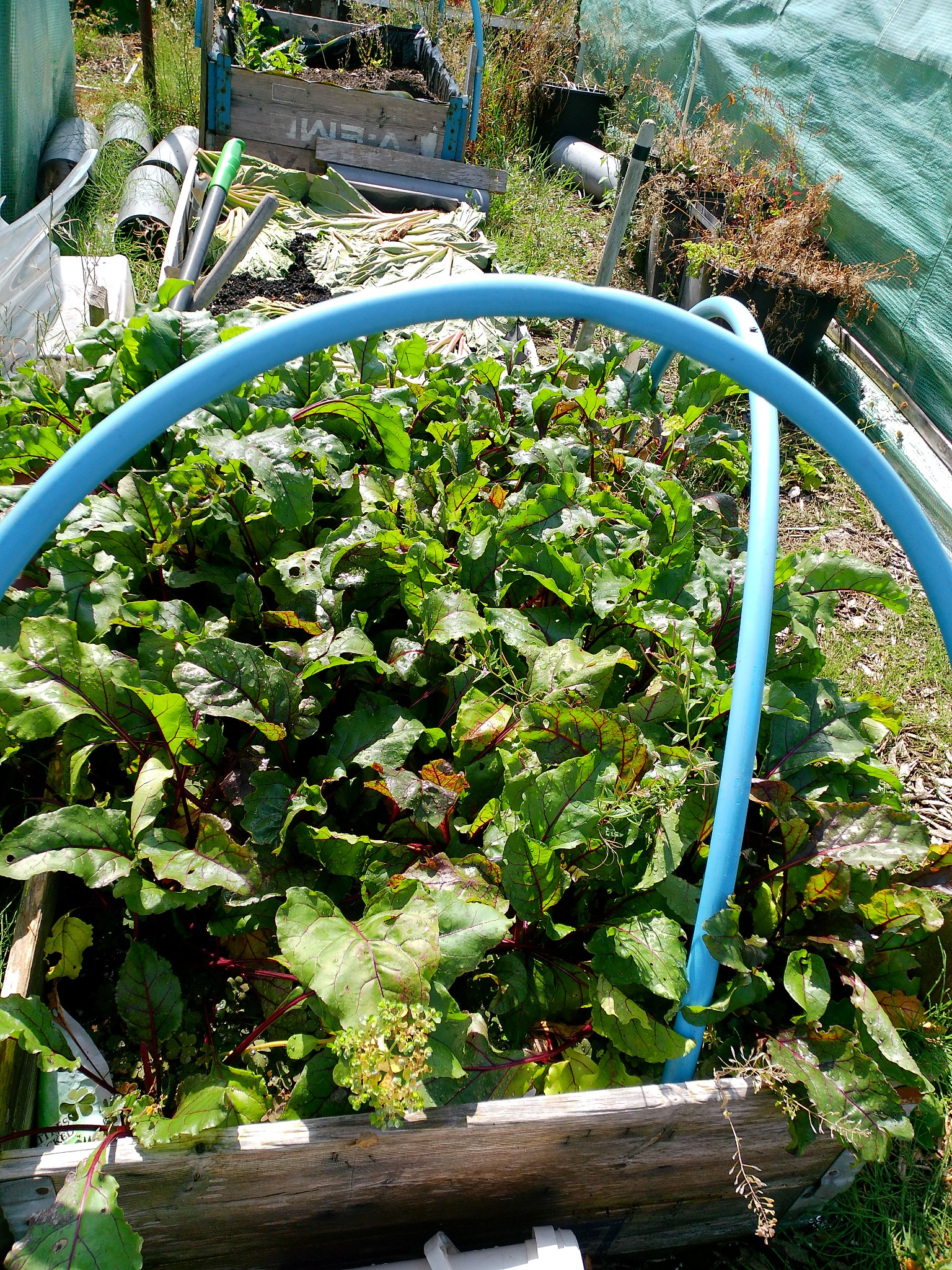
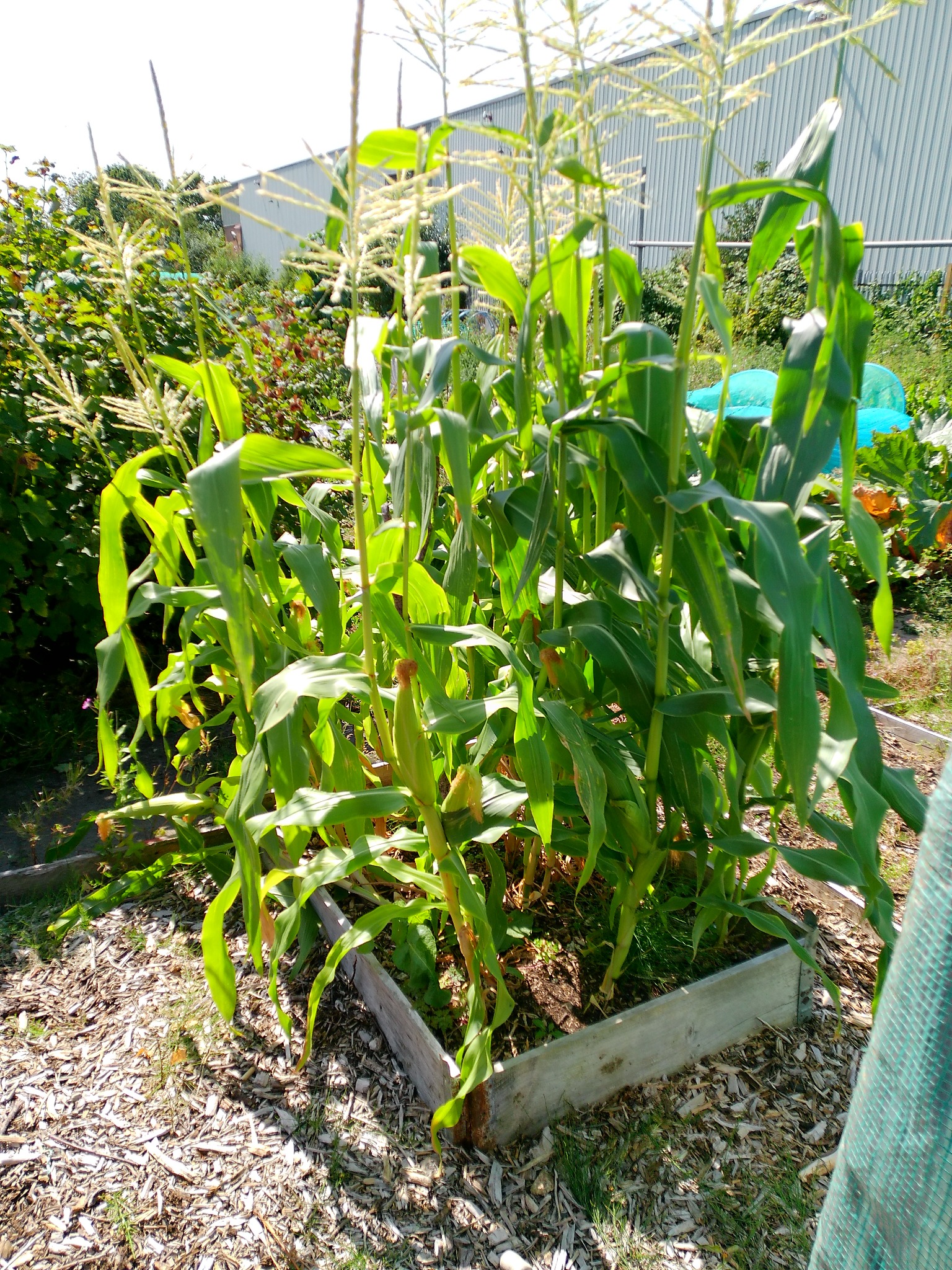
The beetroot bed is full of strong foliage, with its distinctive red stems showing clearly beneath the leaves. Some leaves have been nibbled, but a crop does not have to look supermarket-perfect to be healthy and useful.
The remarkable value of rhubarb
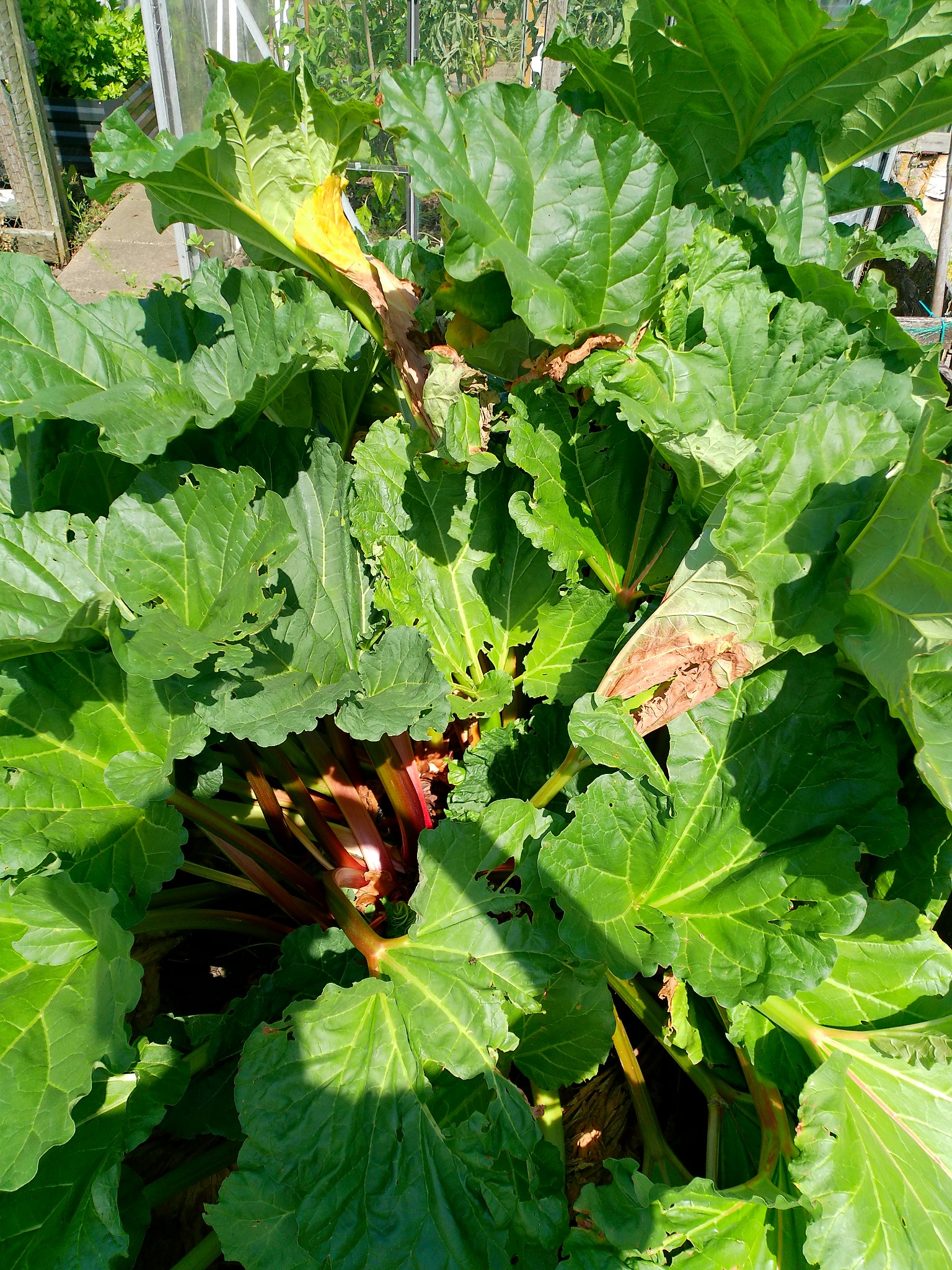
Rhubarb may be a traditional allotment crop, but it is no longer necessarily cheap to buy. I have seen some supermarkets selling it for around £6.50 per kilogram. When you see a strong, established plant producing year after year, you begin to appreciate just how valuable a small area of productive ground can be.
Of course, I do not take every stem. Rhubarb benefits from retaining enough healthy growth to feed the crown and prepare itself for the following season.
Strawberries preparing for another year
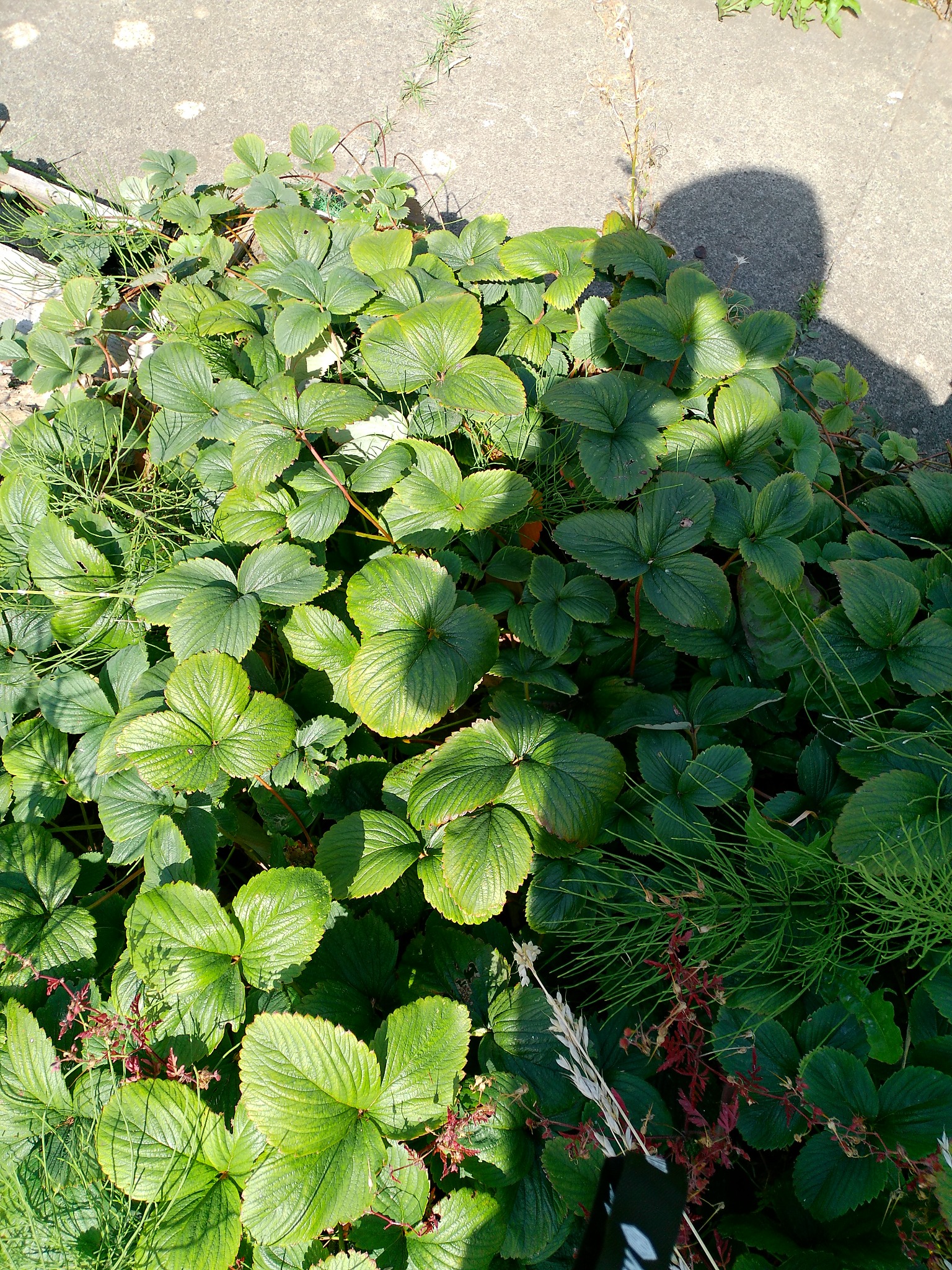
Their main fruiting period may have passed, but the plants are already preparing for the future. This is a useful time to remove damaged growth, control weeds and decide whether any runners should be rooted to create new plants.
Making use of what I have
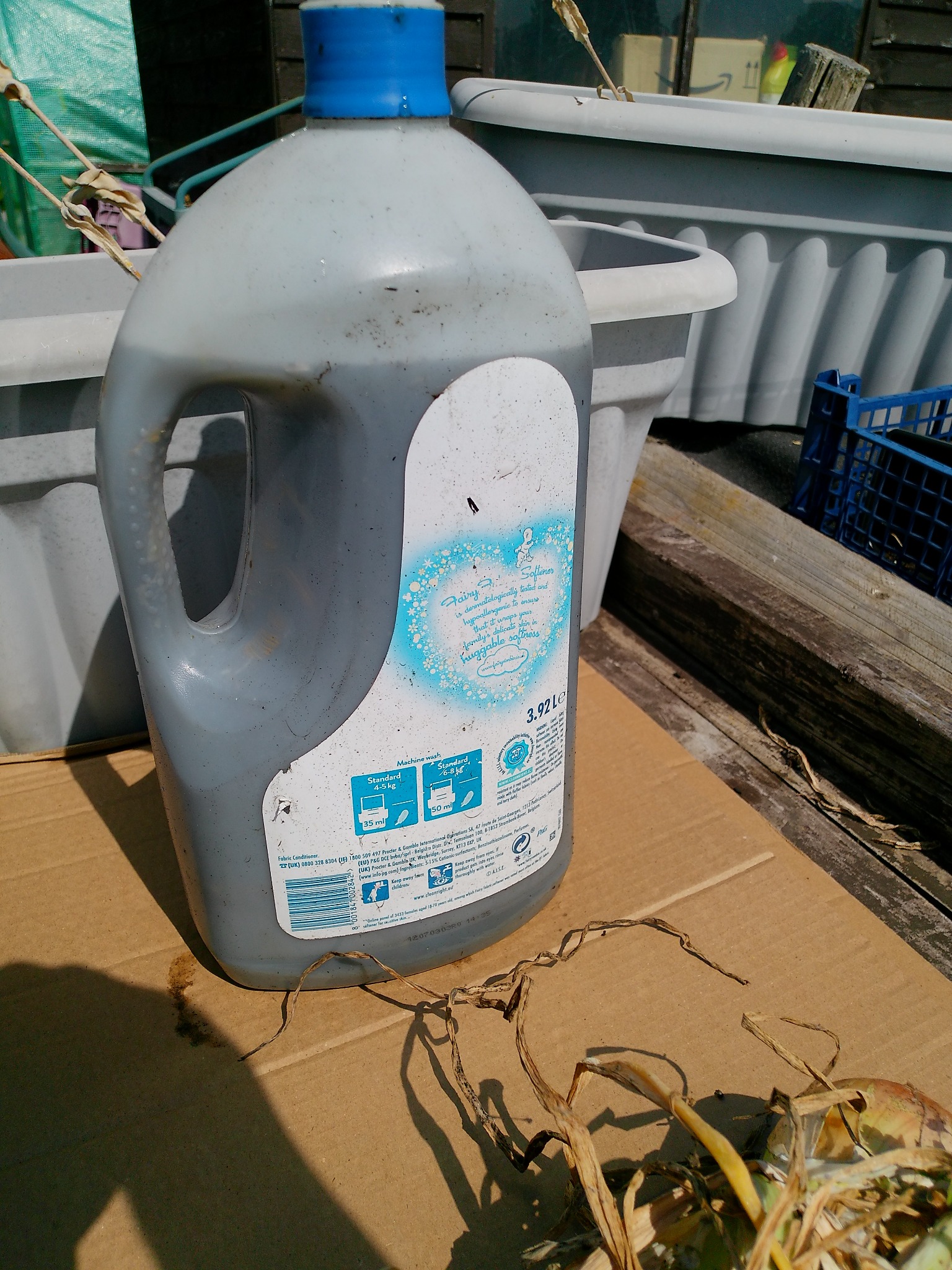
It may not look glamorous, but gardening has never been about buying something new whenever an older item can be used safely and effectively. Reusing available materials saves money and reduces waste.
More than a harvest
Today's photographs capture the plot honestly. There are productive plants, tired plants, vegetables ready to come home and others that are not quite there yet. It is not a show garden—it is a working allotment.
With rhubarb selling for around £6.50 per kilogram in some supermarkets and onions like mine costing three for £1, the financial value of growing food is easy to see. But the true value goes much further: exercise, fresh air, knowledge, anticipation and the satisfaction of eating something I have grown myself.
That is allotment life: patience, practical work, fresh food—and always something else waiting to be done.