A personal travel diary
My Scotland
Adventure
Two weeks of winding roads, ferries, lochs, remarkable food and the freedom to turn right simply because the road went somewhere.
On Friday 21 August, at approximately half past eight in the morning, I set off from home for Oban. Much to my surprise, the journey was extremely pleasant. There were no major hold-ups, the weather was absolutely glorious and I made excellent time.
The holiday was not defined by one grand attraction. It was made from all the smaller moments along the way.
The road north
First lunch in Scotland
I had planned to stop after two and a half hours for a Burger King and a mocha. It was still early, so I settled for the mocha and carried on. My next stop was the Drovers Inn—an extraordinary old building established in 1705 and steeped in history.
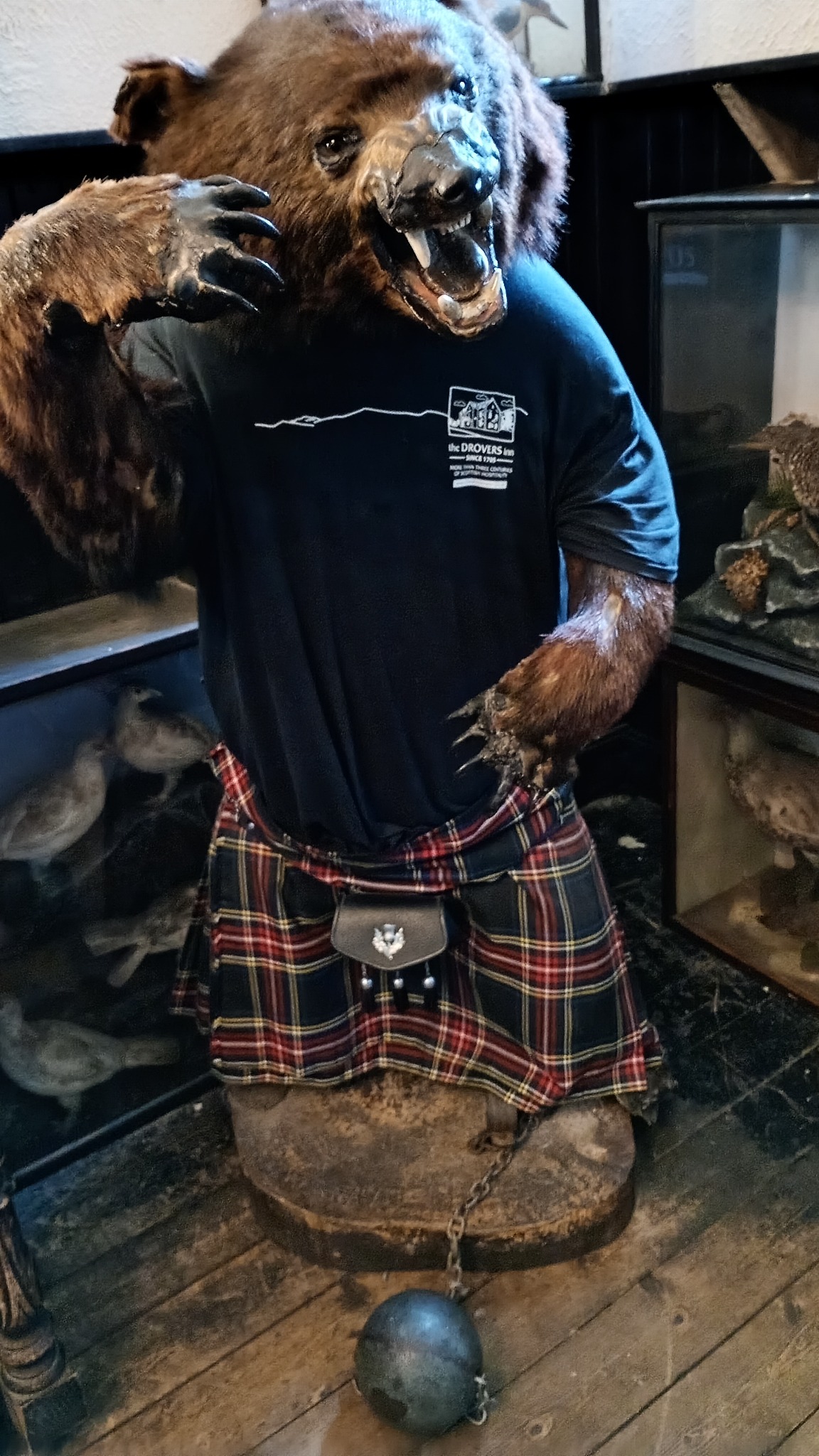
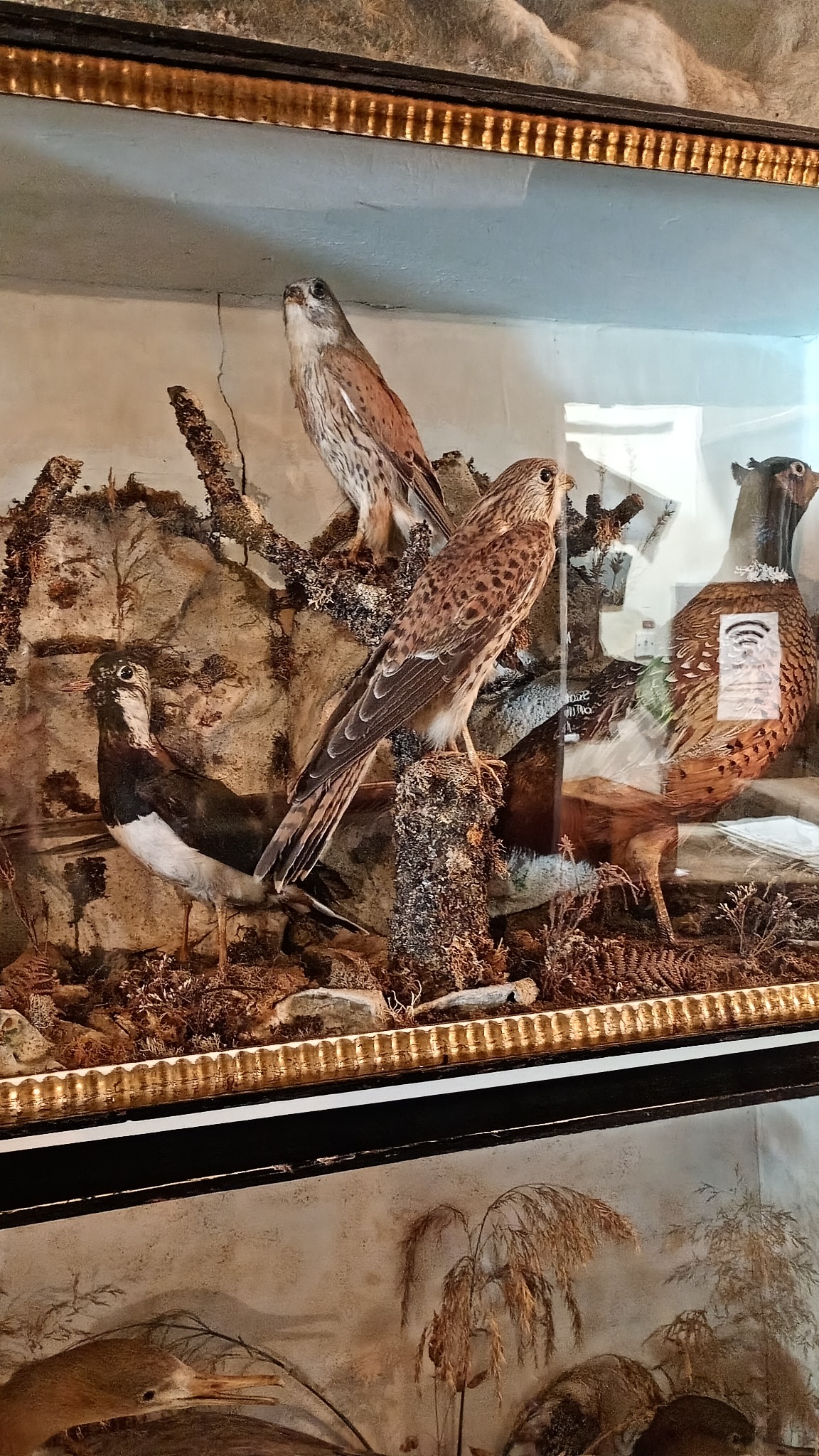
The interior was wonderfully quirky: timber furniture, mounted animals and a rather alarming bear dressed in a kilt. Even the Wi-Fi password was haunted house
, which tells you almost everything you need to know about the atmosphere.
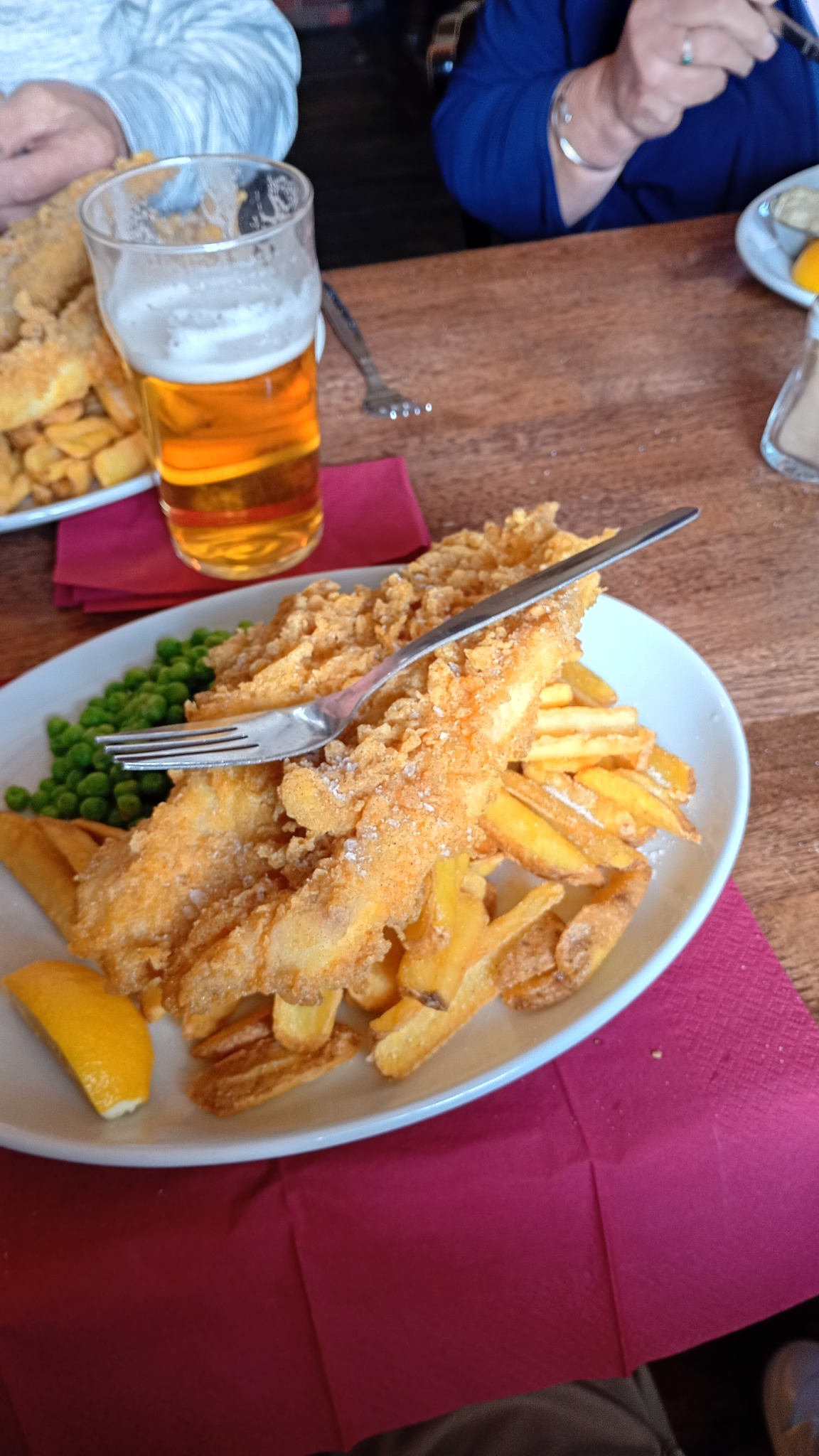
The fish was lovely, with a beautifully crisp batter, but the V-shaped, grooved chips were something else entirely. I would go as far as saying they could be among the best chips in the world.
The long loch-side drive that followed was glorious. I arrived at the cottage around quarter to four and, by quarter to five, I had unpacked and was sitting outside with a brew, admiring the view. This time I was staying in a cottage—not camping.
Oban
Ferries, food and time to mooch
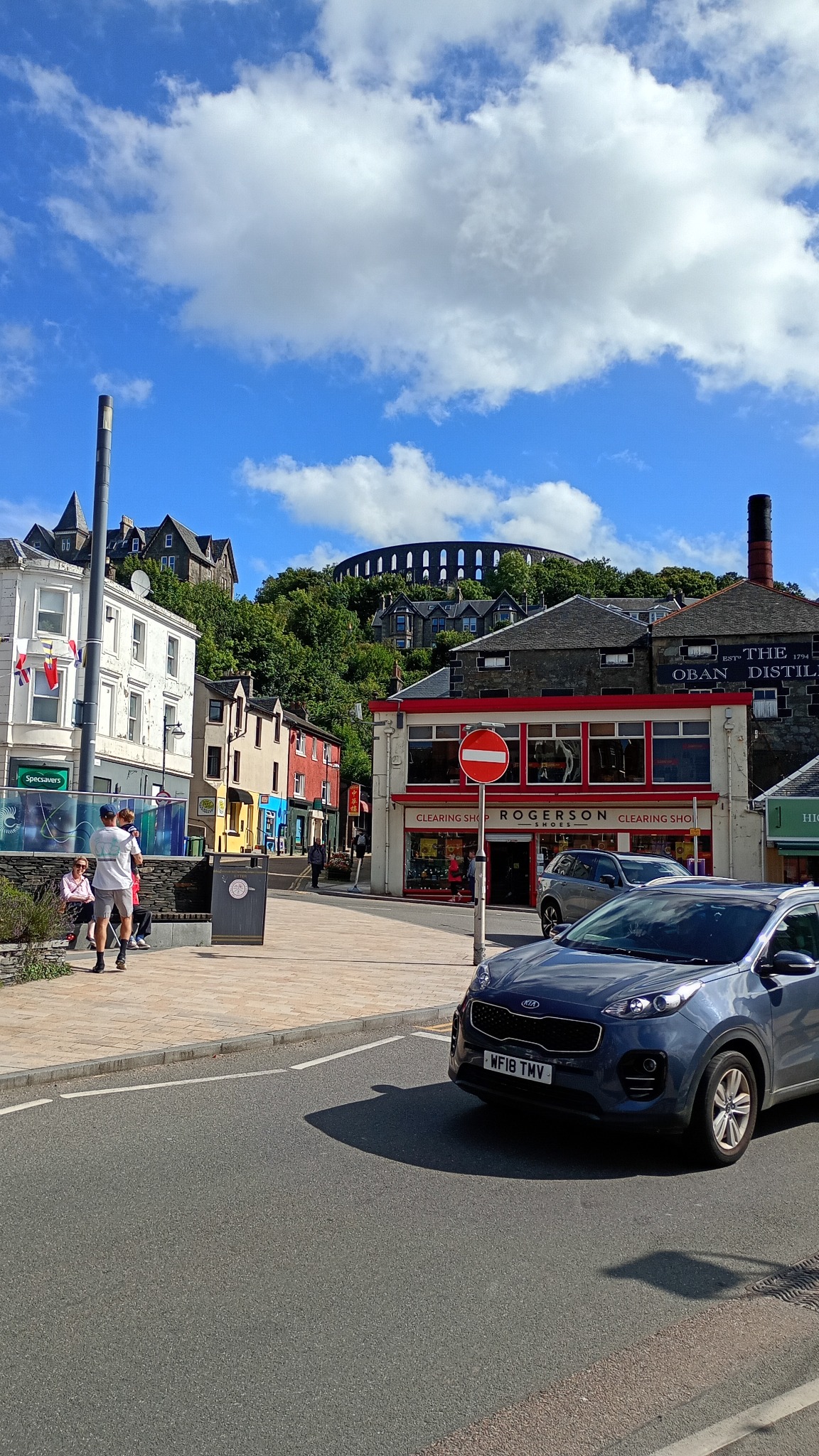
I parked not far from the centre and walked along the seafront, watching the ferries arrive and depart. I wandered through the shops, treated myself to a new fleece and bought some pies to take back. Lunch was fish and chips. They had no mochas, so I settled for a latte—no great hardship.
From the sea to the plate
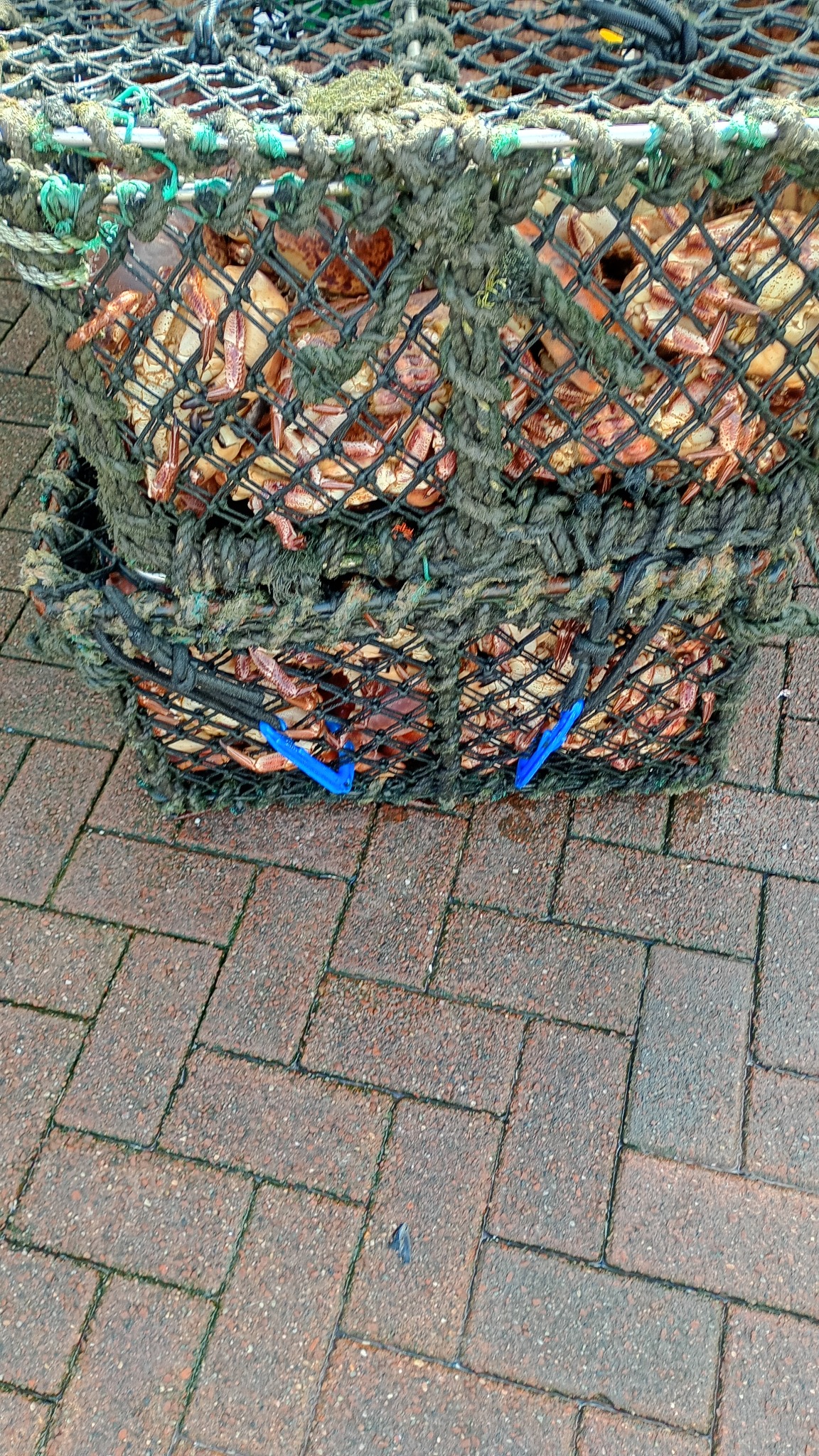
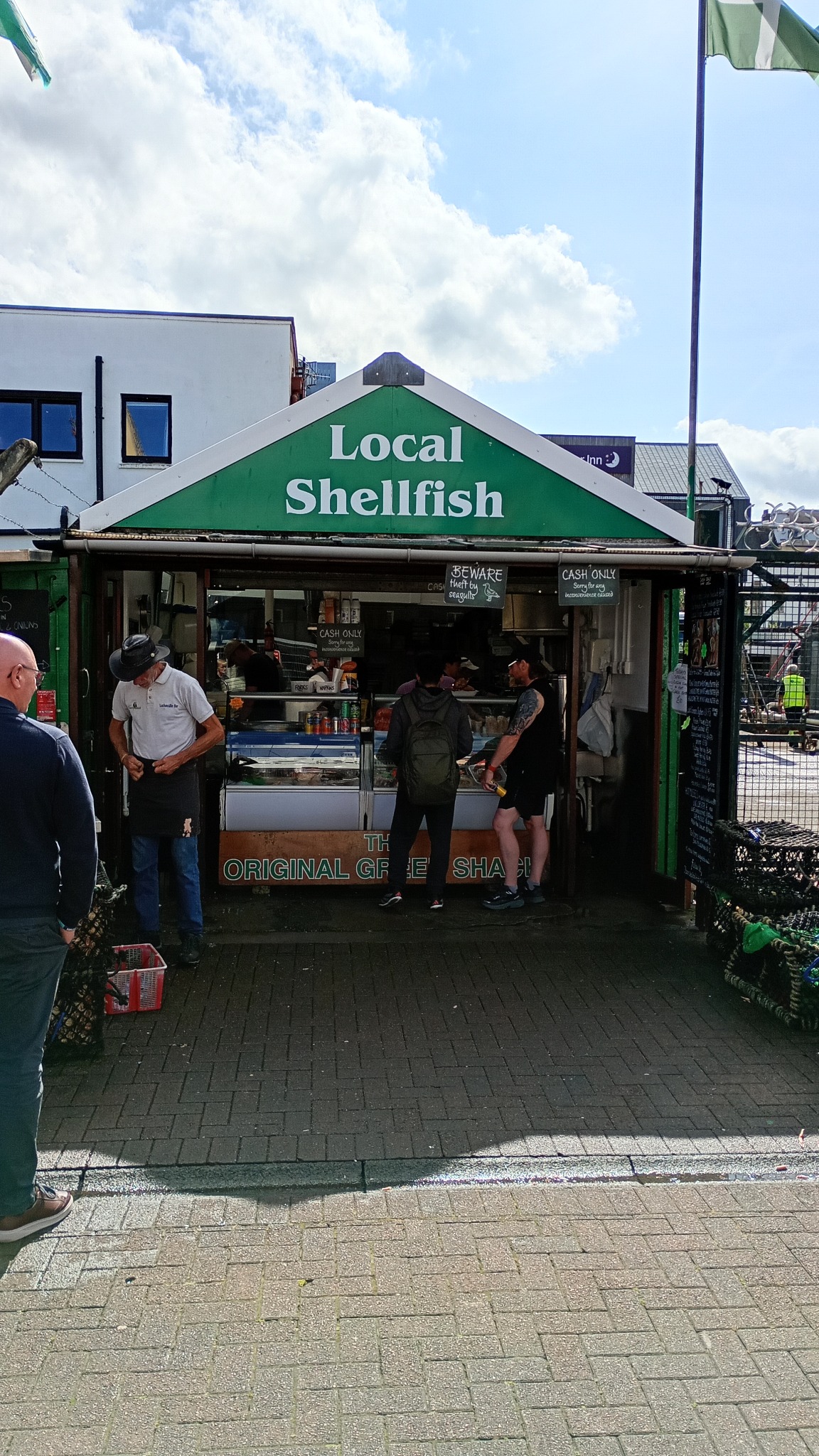
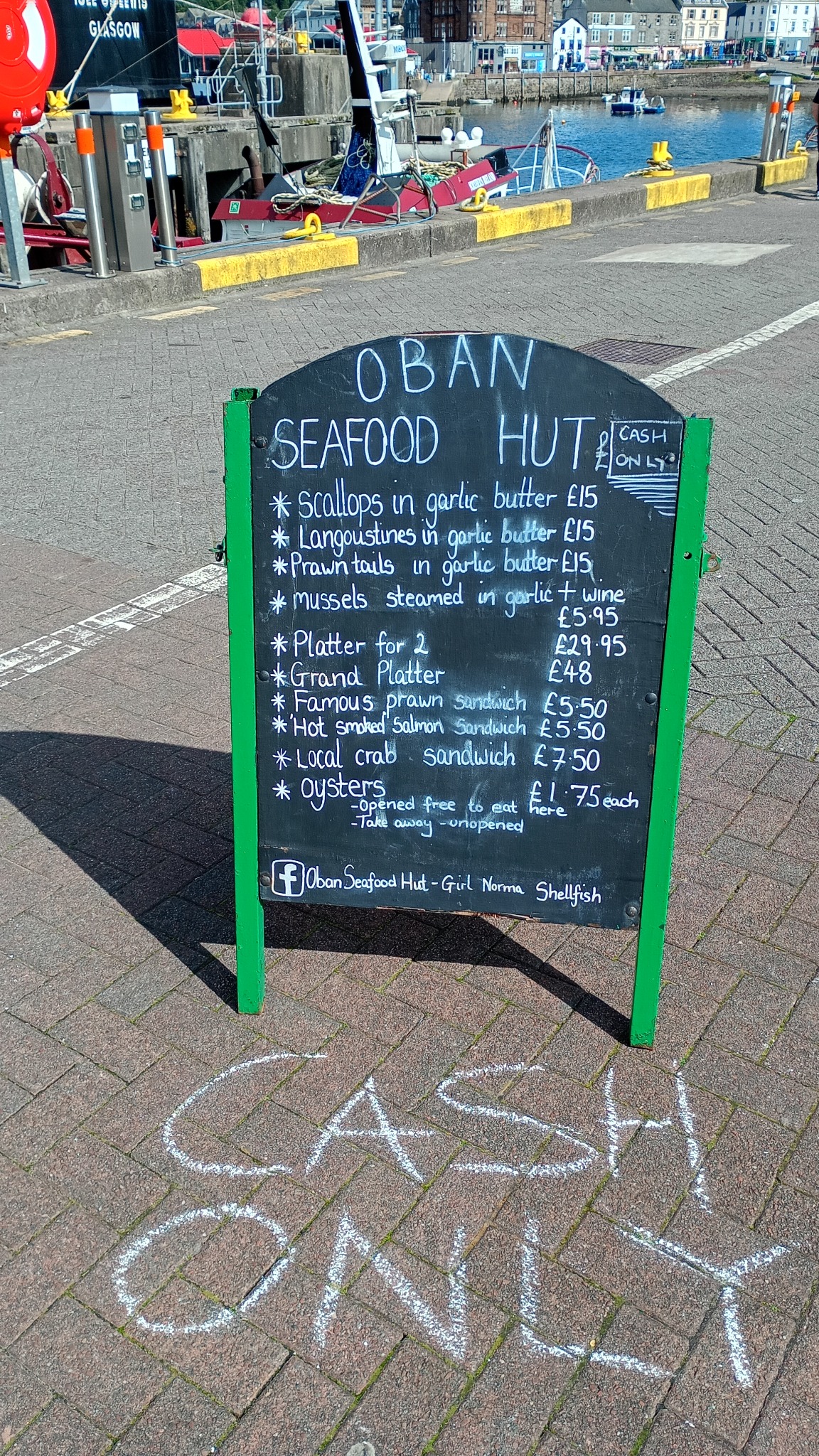
Close to the busy harbour I found the Oban Seafood Hut. Fresh, locally caught shellfish—including mussels, scallops and langoustines—is cooked and served beside the waterfront. The fishing creels nearby were a reminder that the seafood travels only a very short distance from sea to plate.
On another quiet walk beside Loch Linnhe, I stopped for lunch and a mocha before spending two or three hours collecting pebbles. I became completely absorbed and brought five or six small stones back with me, many appearing to contain quartz or another crystal-like mineral.
A woodland discovery
While out on one of my evening walkabouts near Oban, I came across a surprisingly large group of mushrooms growing among the moss and fallen leaves. Their broad brown caps had already attracted the attention of the woodland wildlife, with several pieces clearly nibbled away.
They appeared to be penny buns, although identifying wild mushrooms from appearance alone can be unreliable. I was happy simply to film the discovery and leave them exactly where they belonged.
The day I turned right
Across to Lismore
Each time I came out of the cottage I could turn left towards Oban or right towards Fort William. On this particular morning I had no plan, so I turned right simply because all roads lead somewhere. That decision eventually brought me to Port Appin.
The narrow single-track road became so quiet and remote that I genuinely wondered whether the sat-nav had taken me to the wrong place. I trusted it and carried on until I reached the little passenger ferry for Point on Lismore. During the crossing we passed rocky islands where seals rested and cormorants gathered.
Lismore Gaelic Heritage Centre
The Heritage Centre gave me a look inside traditional island life. Period furniture, crockery and household objects were arranged in domestic scenes showing how previous generations lived in Lismore's stone cottages.
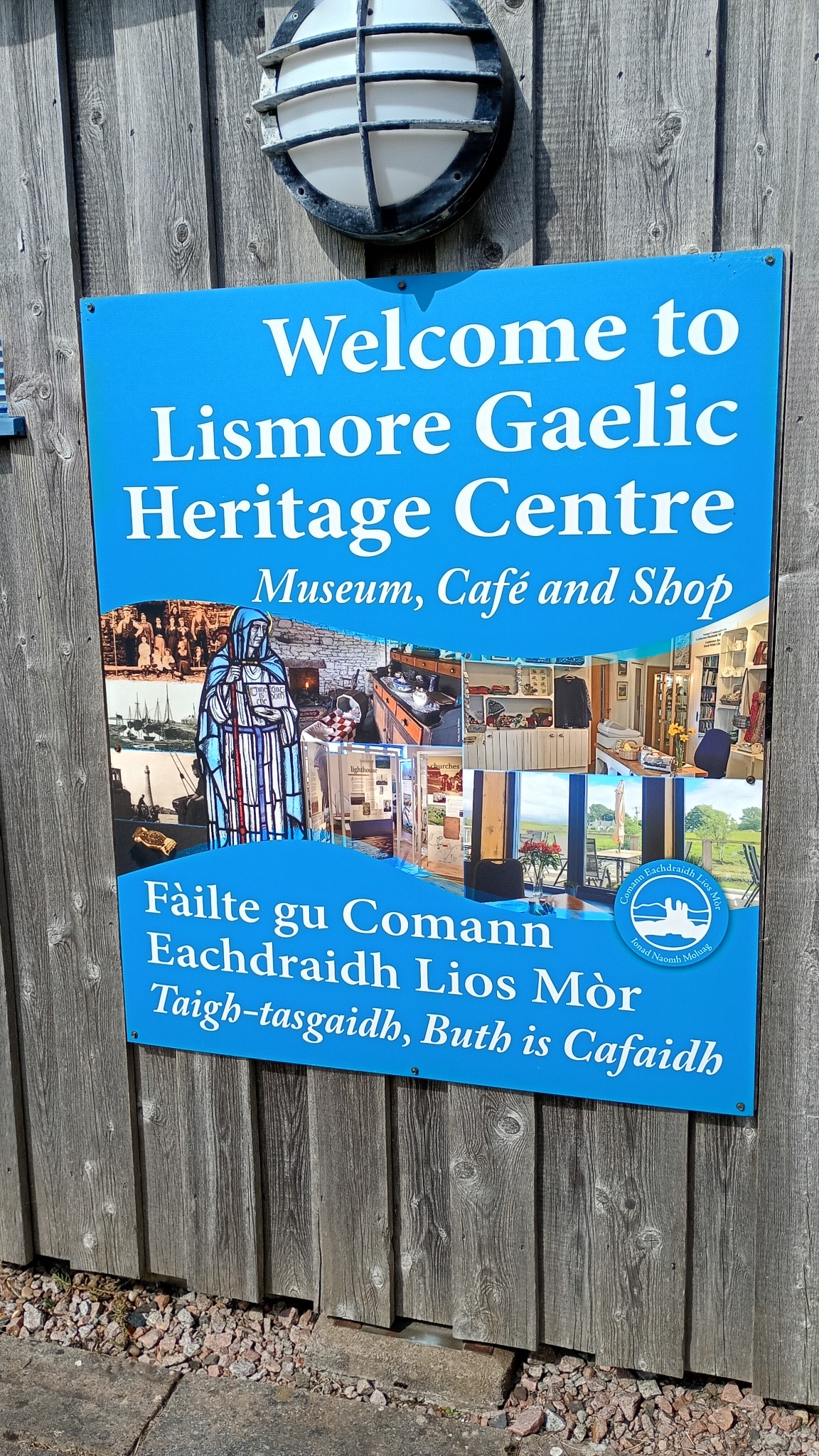
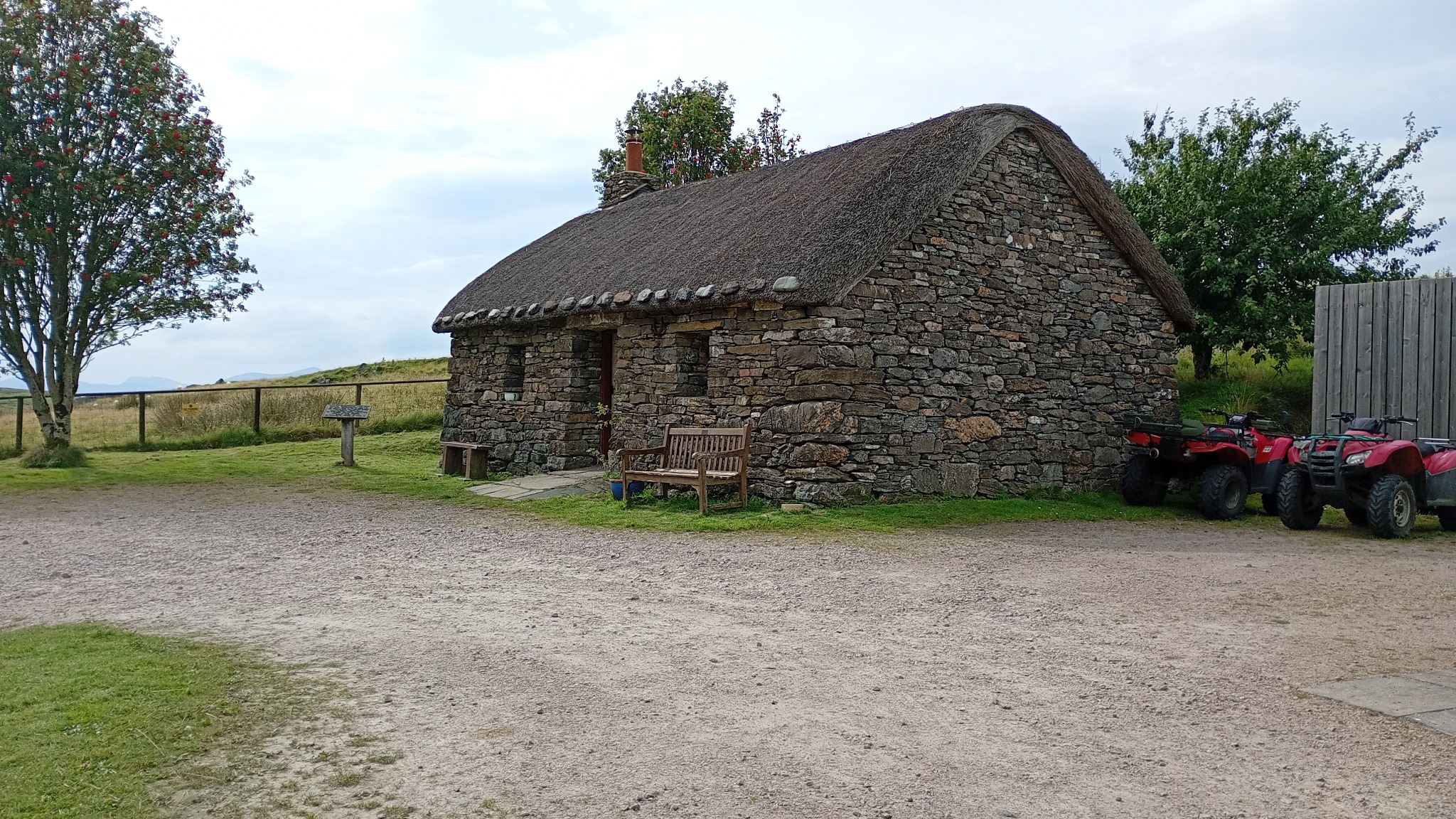
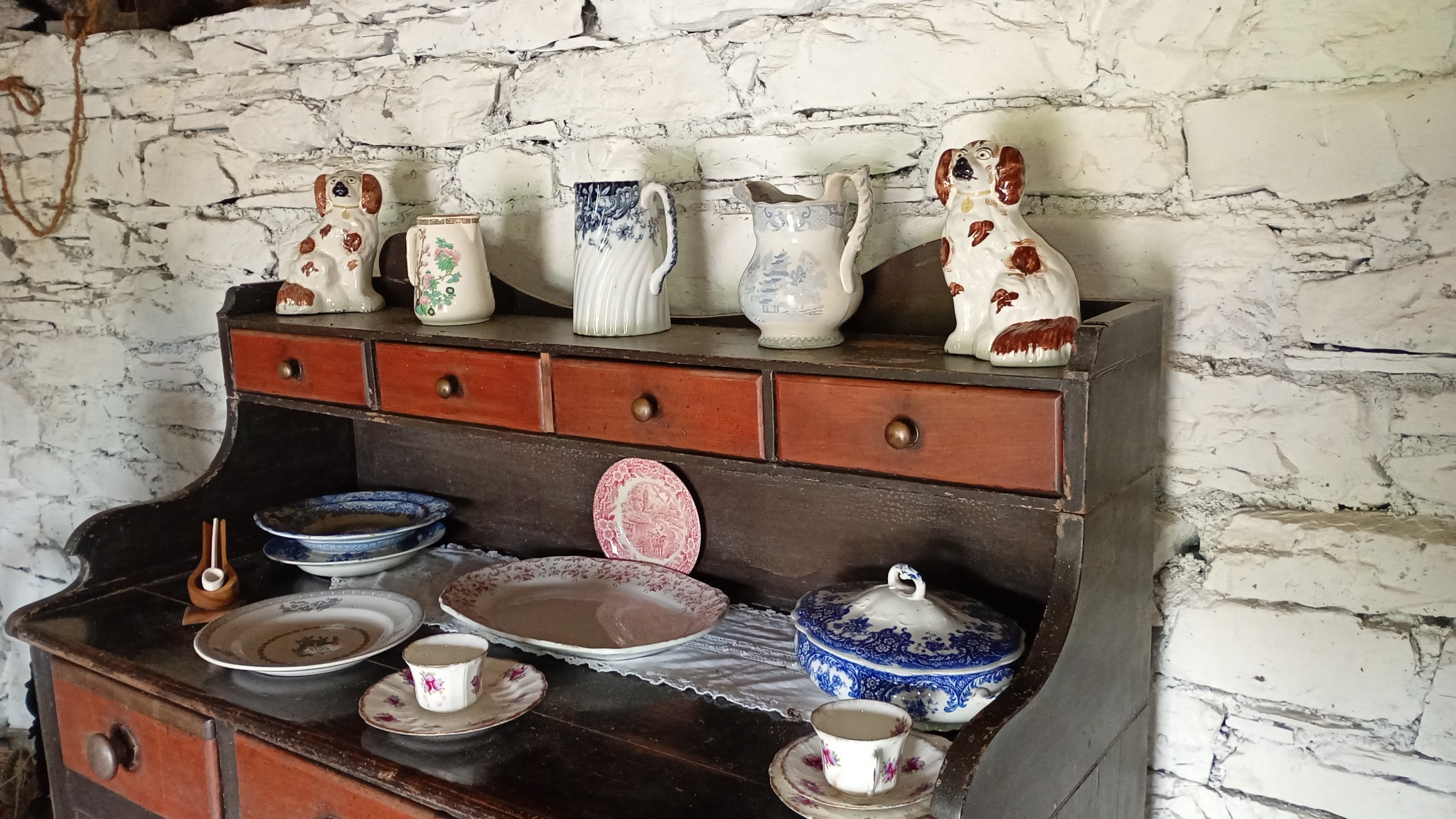
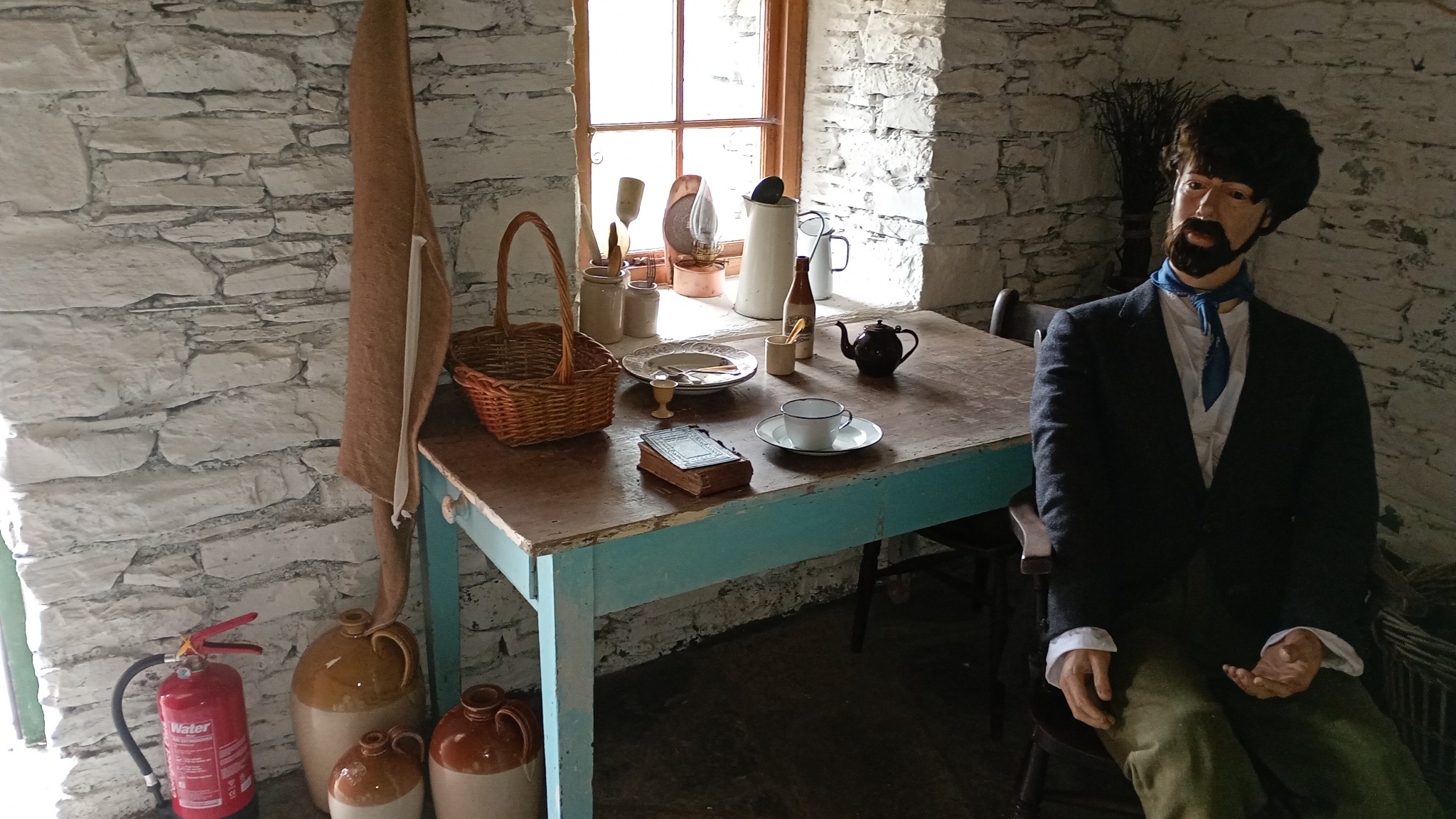
Nearby stood the historic Cathedral Church of Saint Moluag, on a site associated with Christianity for roughly 1,500 years. After exploring, I walked back to the jetty and watched our little ferry arrive for the return crossing.
Fort William and Loch Linnhe
Locks, wrecks and taking the helm
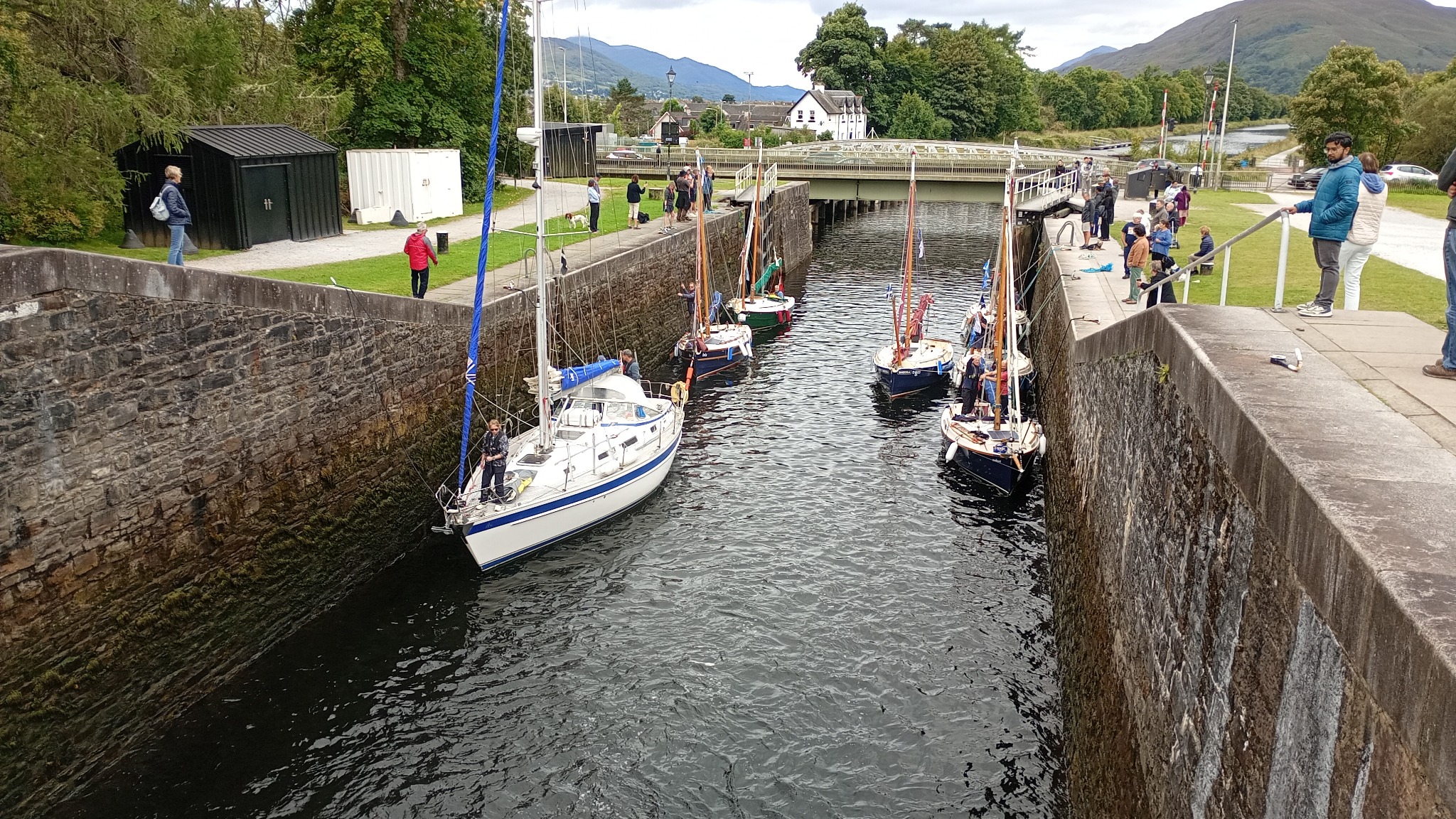
From my later base near Fort William I could look across Loch Linnhe towards the railway and the Caledonian Canal. I watched the Lord of the Highlands work its way through the locks, then walked to Neptune's Staircase to see a group of sailing boats climbing the remarkable flight.
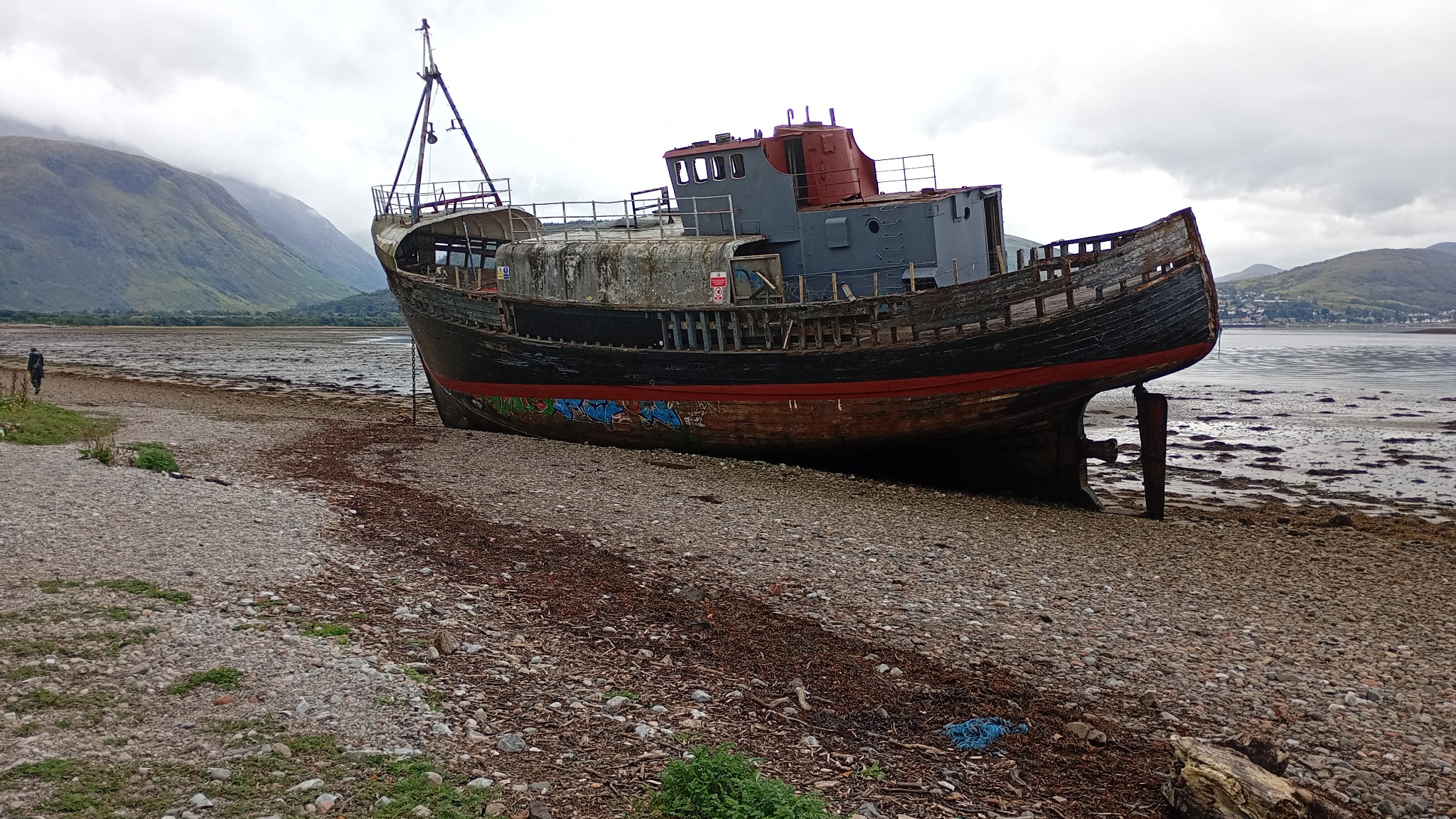
The wreck on the shore
While exploring the shoreline I came across an old wooden vessel resting above the tideline. Its peeling paint, exposed timbers and weathered hull gave some idea of how long it had been left to the West Highland weather. A fisherman standing in the shallows nearby gave the scene an extraordinary sense of scale.
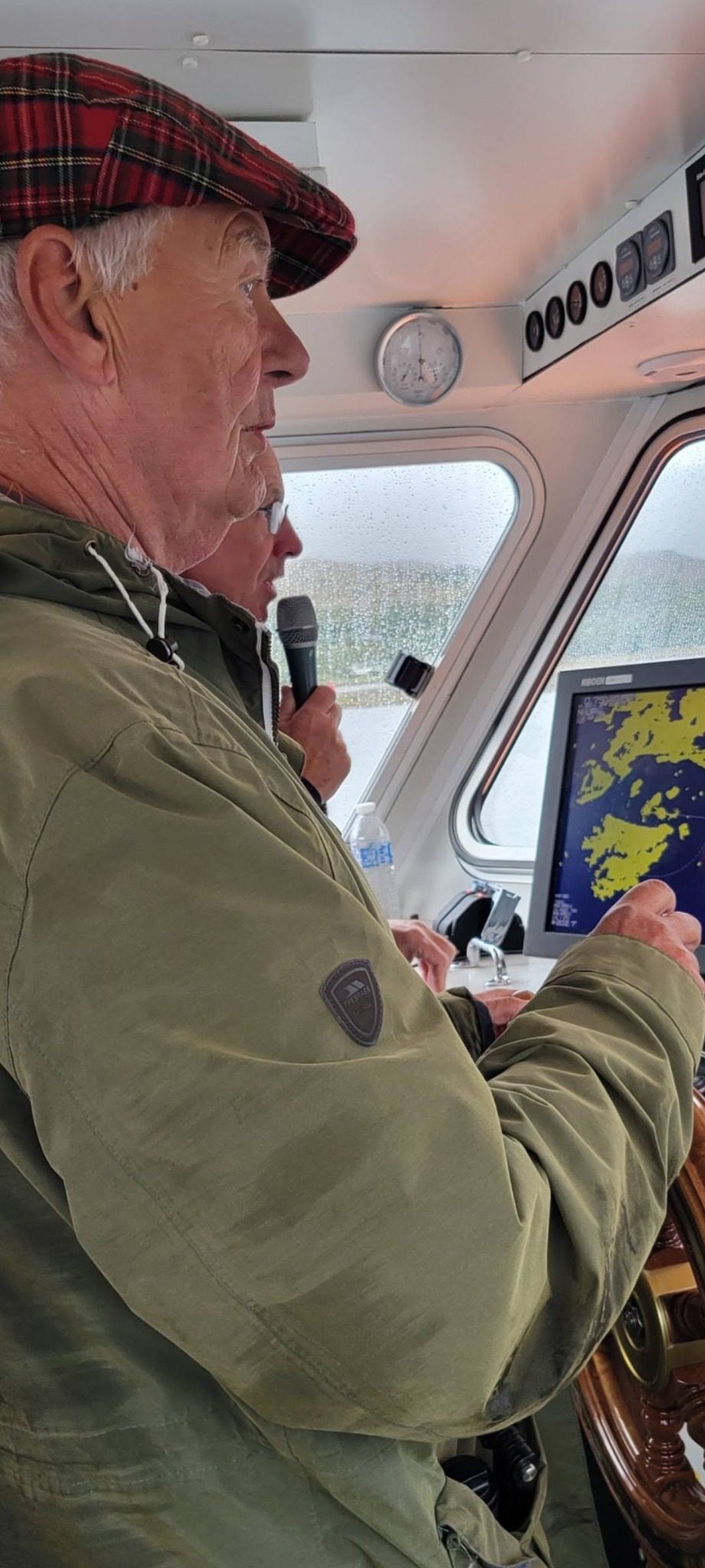
Captain for a few memorable minutes
There were only nine of us taking the Loch Linnhe tour, so I almost had the boat to myself. The water became choppy and low cloud hung over the mountains. Then something happened that I had not expected: I was invited into the wheelhouse and allowed to steer under the supervision of the crew.
Above the forest
Up the Nevis Range
Another day took me to the Nevis Range. The gondola climbed steadily above the forest and up the mountainside. Even through the rain-speckled window, the views began to open out as we gained height.
At the upper station I walked around, watched the changing skies and saw one of the tracked utility vehicles used to work across the difficult mountain ground. It was another reminder of how much practical work happens behind the scenes in a place like this.
The road west
Mallaig and the Silver Sands
The winding road from Fort William to Mallaig was part of the adventure in its own right, with water, wooded hillsides and distant mountains appearing around the bends. Mallaig is the western end of the railway used by the Jacobite steam train—the train known to millions through the Harry Potter films.
The Jacobite steam train
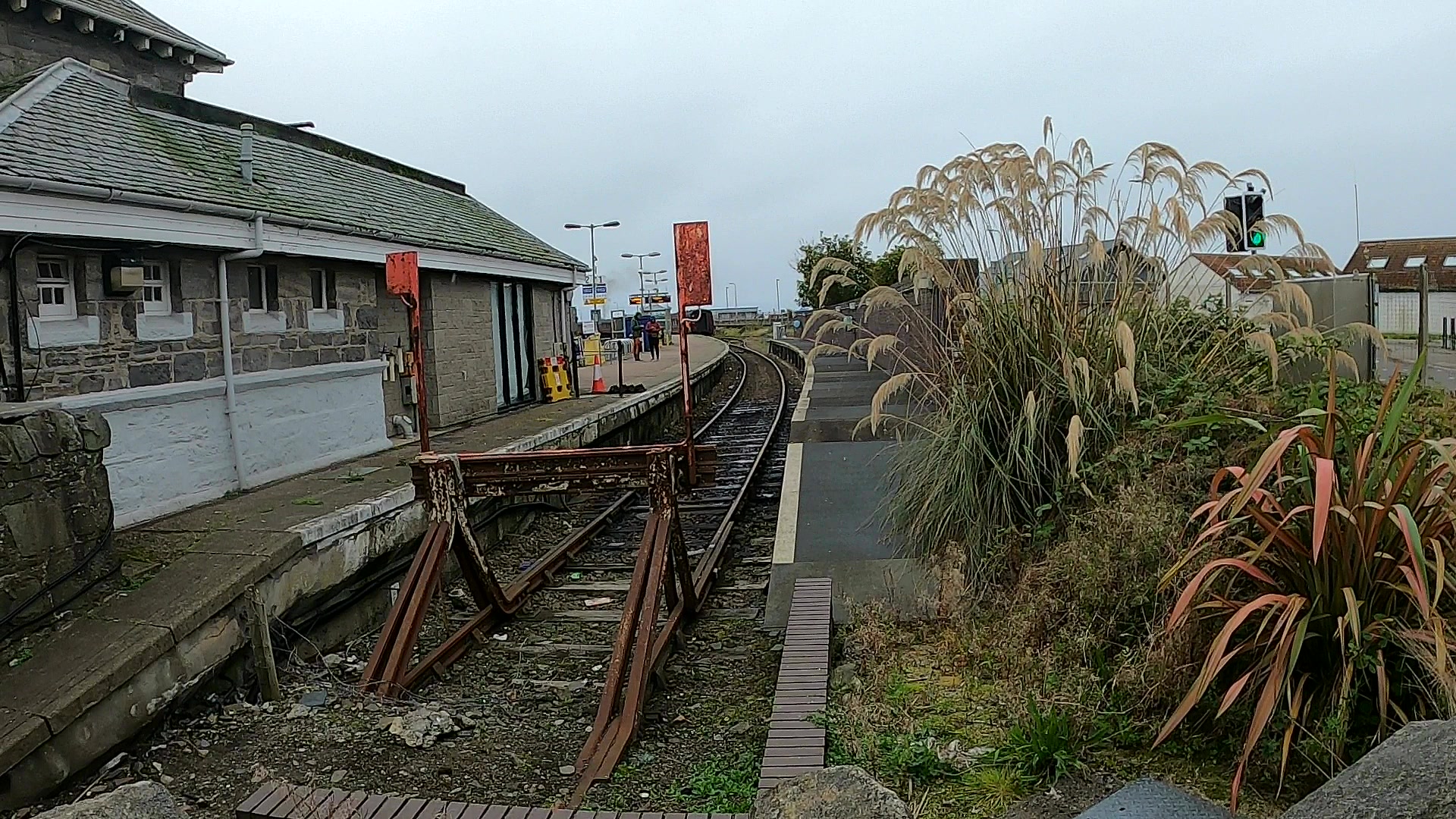
The railway was a memorable thread running through this part of the holiday. I watched the steam train crossing the view from my cottage, stood remarkably close as the locomotive and its carriages passed in the rain, and later saw it reach the end of the line at Mallaig.
I stopped at the Tea Garden Café hoping to sit inside with a mocha, but was told I could only use the indoor seating if I also ordered food. As I only wanted a drink, I decided not to stay inside. It was a small disappointment during an otherwise enjoyable day.
Silver Sands of Morar
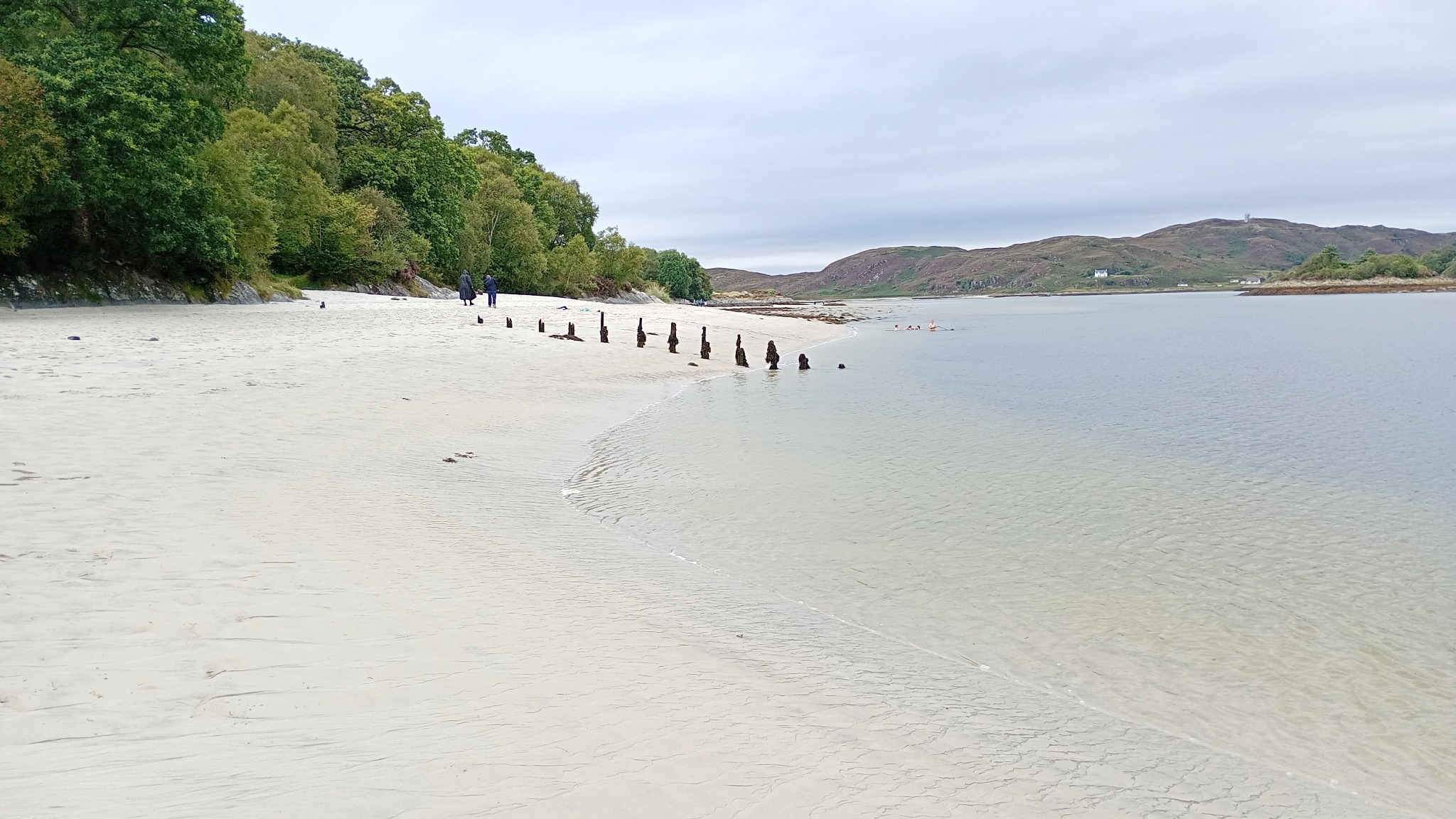
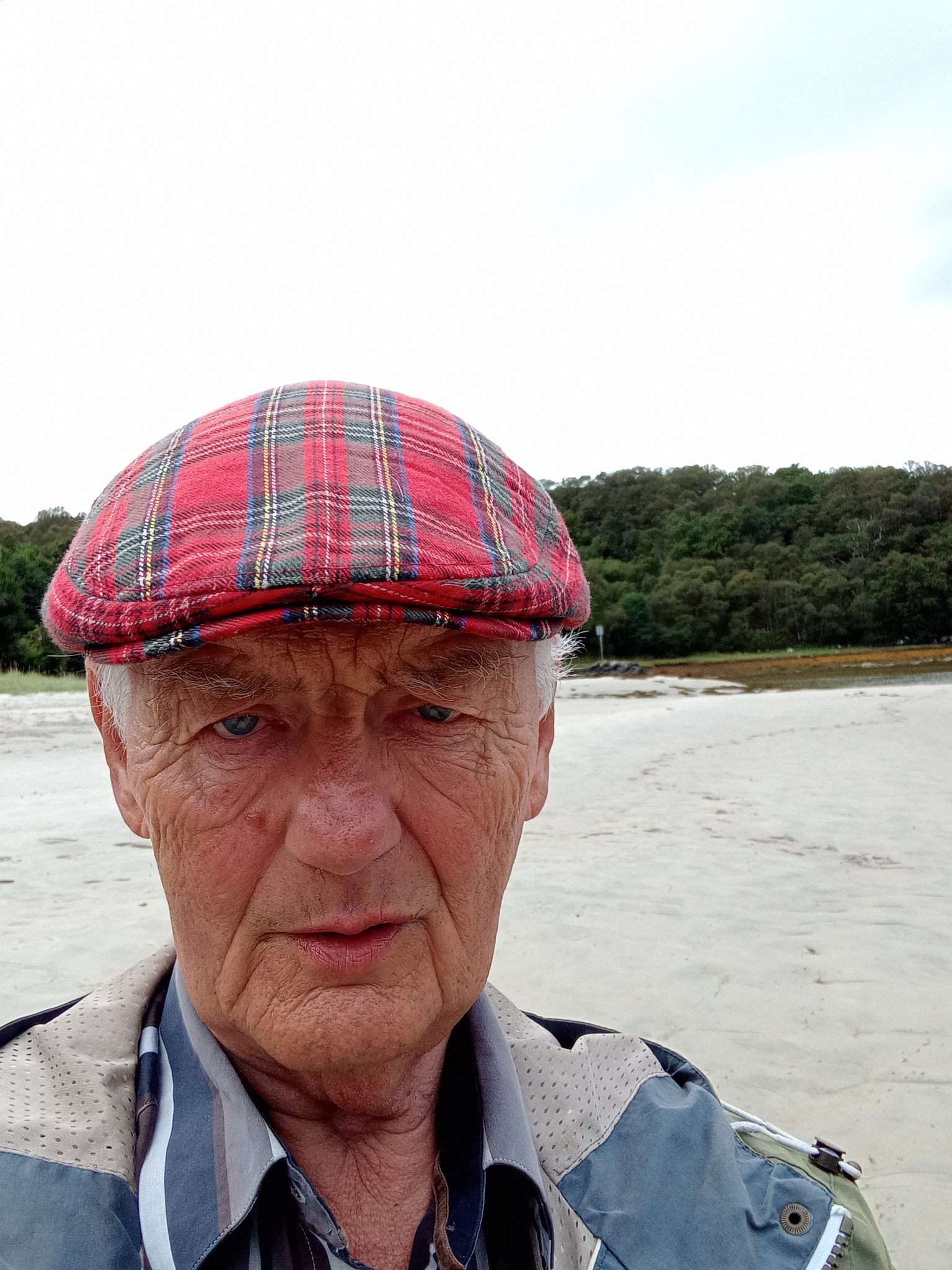
On the road back I stopped at the Silver Sands. The pale sand and remarkably clear water looked almost tropical, although the surrounding hills and overcast Scottish sky told a different story. It was peaceful, beautiful and well worth stopping for rather than simply driving past.
The value of turning right
Time used well
Some days were planned and others began with no destination at all. Often the unplanned days produced the strongest memories. Turning right instead of left led me to Lismore. Continuing beyond Mallaig led me to the Silver Sands. Simply going for a walk brought unexpected discoveries.
At seventy, time is something I value enormously. This journey gave me two weeks in which to use that time well: to explore, notice, photograph, talk to people and enjoy being exactly where I was. That, to me, is what retirement should be about.
More outdoor stories ↗